Food fraud in australia:
Why Knowing Where Your Ingredients Come From Matters
When you buy a food product, there is an underlying assumption that the ingredient on the label is the ingredient inside the package.
If a product says it contains turmeric, you expect turmeric. If it contains freeze-dried strawberry, you expect strawberry.
But how much do we actually know about the ingredients behind the label?
Recent attention around food fraud in Australia has highlighted why this question matters. An ABC investigation into turmeric products sold in Australia raised questions about ingredient authenticity following laboratory testing. The businesses involved disputed aspects of the findings and some undertook their own investigations.
The broader issue, however, extends well beyond turmeric.
For food brands and manufacturers, it raises a more fundamental question:
How well do you know the ingredients entering your supply chain?
What is FOOD FRAUD?
Food fraud occurs when food is deliberately substituted, altered or misrepresented for financial gain.
It can include:
- Substituting a more expensive ingredient with a cheaper one
- Adding undeclared fillers or other materials
- Misrepresenting the country of origin
- Selling a lower-quality ingredient as a premium product
- Making claims about an ingredient that cannot be substantiated
Food fraud is different from accidental contamination or an unintentional manufacturing error. The defining characteristic is that the food has been deliberately misrepresented.
It can affect a wide range of products, but ingredients such as spices, herbs, oils, honey, coffee and other high-value agricultural products have attracted particular attention because of their potential for substitution or adulteration.
Why Powdered Ingredients Can Be Difficult to Verify
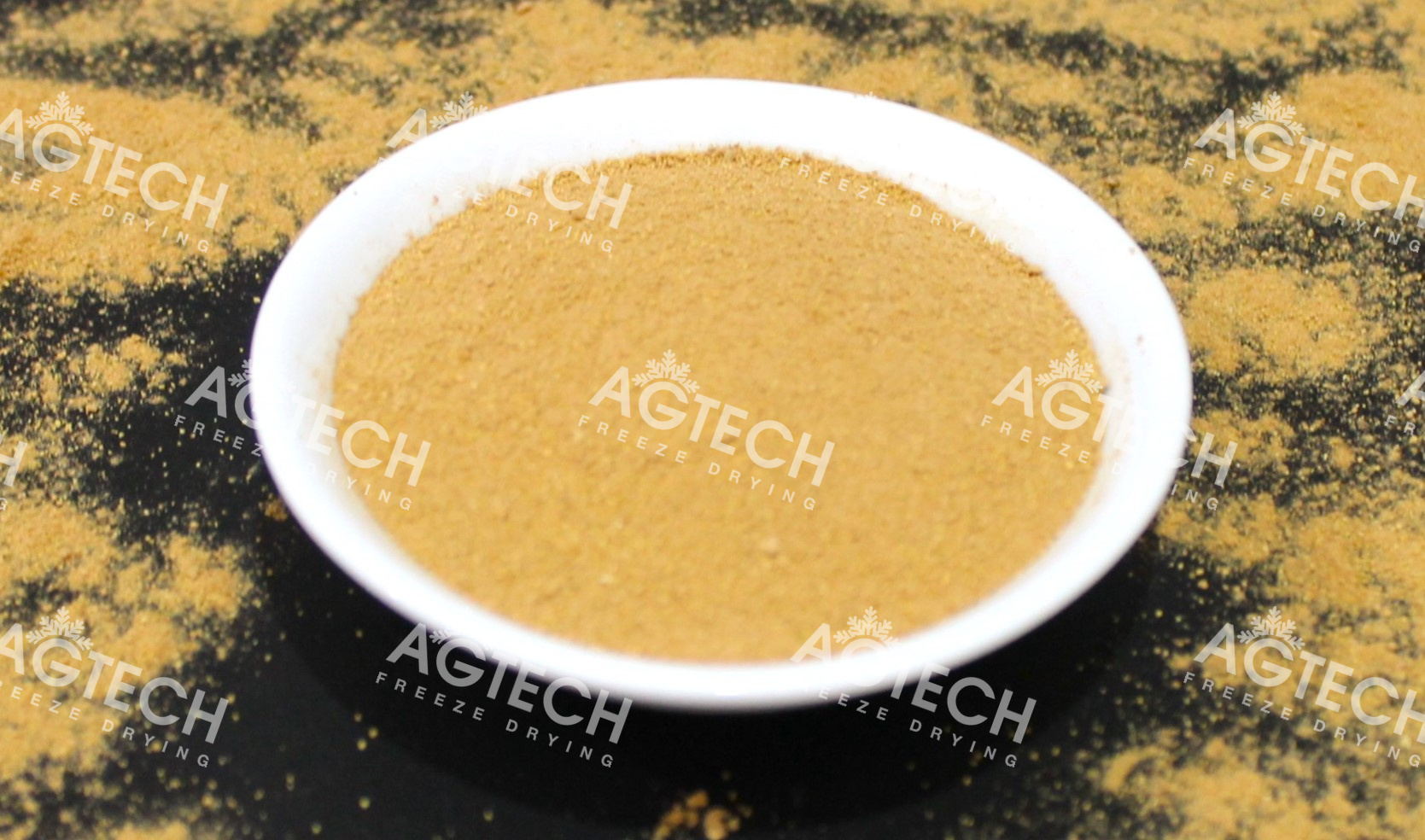
Once an ingredient has been dried and milled, it becomes much harder to assess visually.
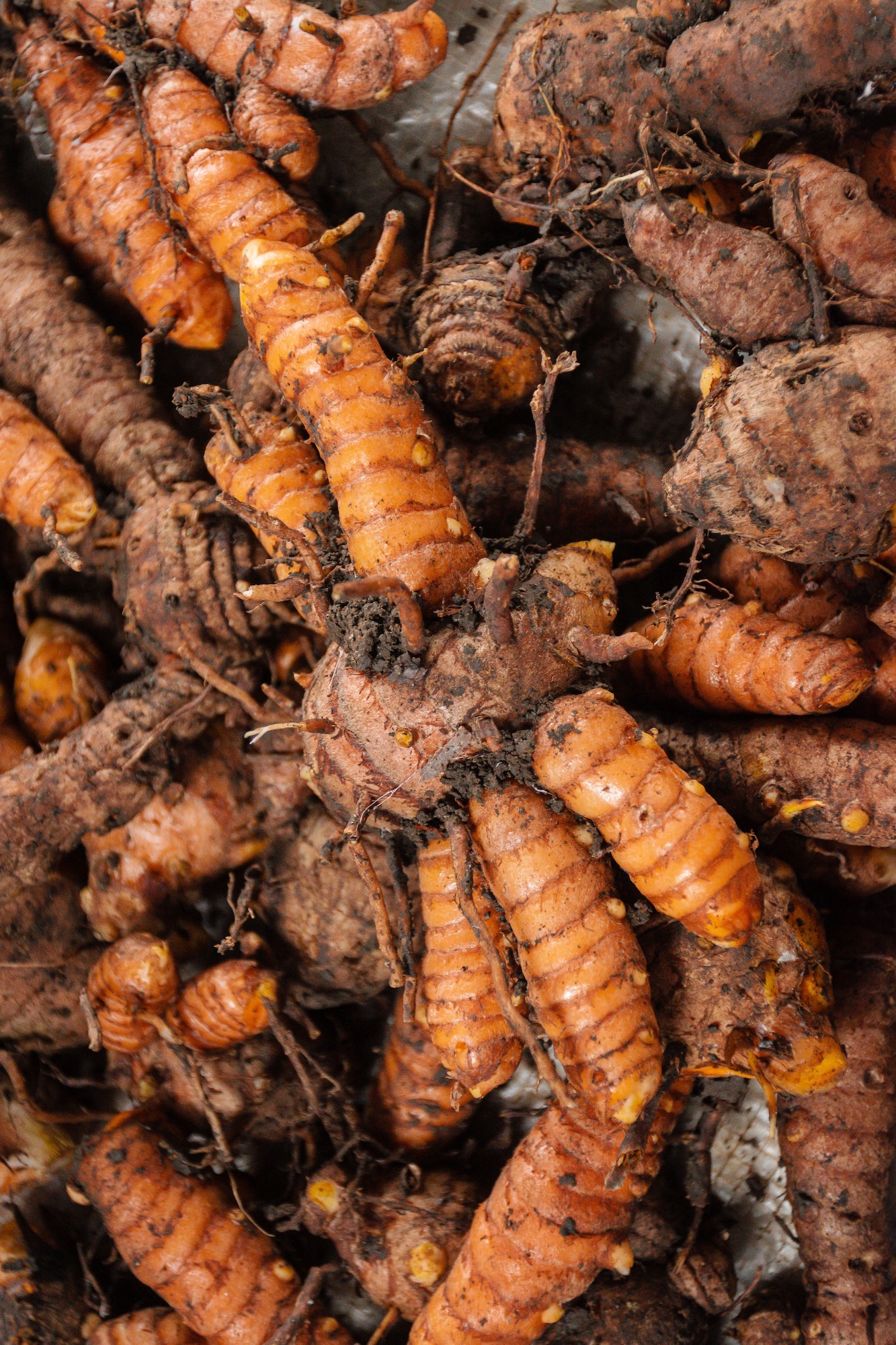
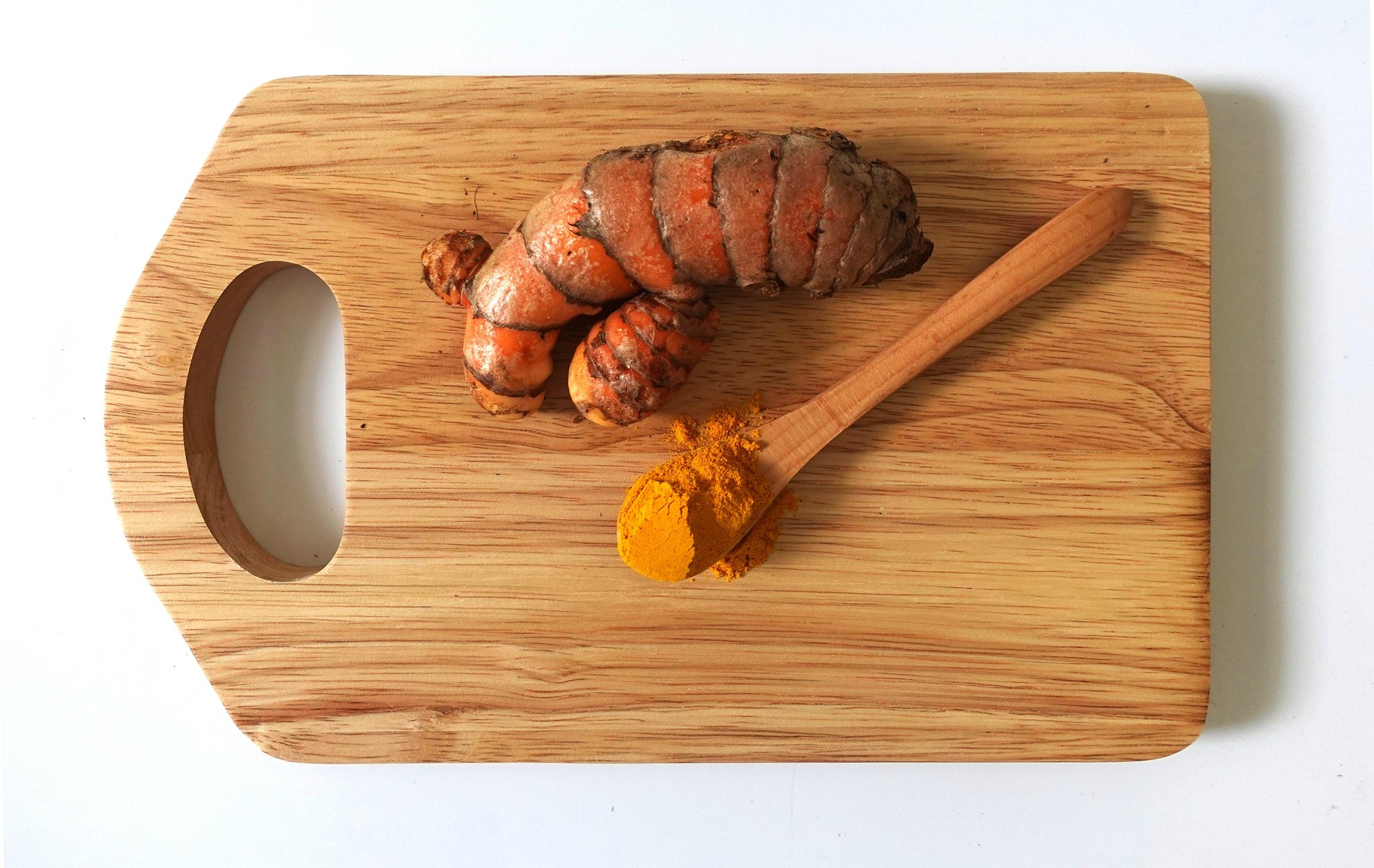
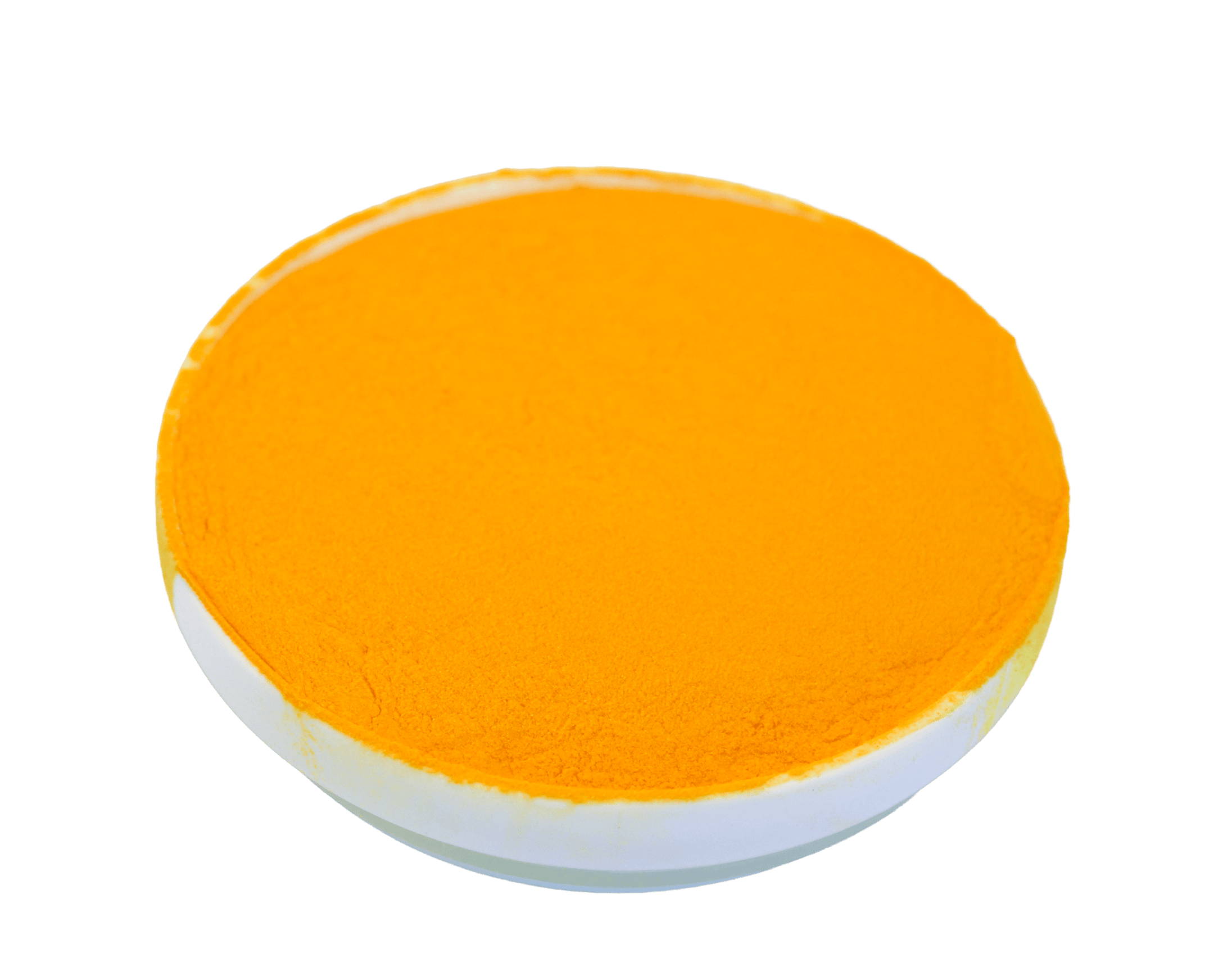
A whole turmeric root has recognisable physical characteristics. A fine turmeric powder does not.
The same applies to many fruits, vegetables, herbs and other ingredients.
Once the original material has been processed into a powder, it may be difficult for a consumer, or even a manufacturer, to determine what is actually present without appropriate supplier controls and testing.
This is why ingredient verification matters.
A manufacturer purchasing a finished powder needs to have confidence not only in the supplier, but also in the processes and controls behind that ingredient.

The Supply Chain Can Tell You a Lot
Consider the difference between these two supply chains.
Raw ingredient → processor → manufacturer
Compared with:
Grower → processor → dryer → miller → blender → packer → distributor → manufacturer
Neither pathway is automatically better or worse.
The difference is how many stages need to be understood and verified. With a longer supply chain, there can be more businesses involved in handling, processing and storing an ingredient before it reaches the manufacturer. That makes documentation, supplier relationships, specifications, batch records and testing increasingly important.
For brands, this is why asking only “Who supplies this ingredient?” may not be enough. A better question is:
“Where did this ingredient originate, and what happened to it before it reached us?”
What Should Brands Ask Their Manufacturer?
If you are developing a food, functional ingredient or freeze-dried product, your manufacturing partner should be able to explain the journey of your ingredients. Some useful questions include:
Where do the ingredients come from?
Understanding whether ingredients are customer supplied, locally sourced or imported gives you a clearer picture of your supply chain.
Who supplies the raw material?
Knowing the immediate supplier is useful, but understanding the original source can provide additional visibility.
How are incoming ingredients verified?
Ask what documentation, specifications or testing are required before materials enter production.
What happens to the ingredient during processing?
Your manufacturer should be able to explain the major processing stages and what, if anything, is added.
Can the ingredient be traced by batch or lot?
Batch-level traceability is an important part of managing ingredients and finished products.
Are additional ingredients or processing aids used?
For a single-ingredient product, this is particularly important.
How is the finished product stored and packaged?
Processing does not end when the freeze dryer finishes. Storage and packaging can also affect the finished ingredient.
These should not be difficult questions for a manufacturer to answer.
Transparency should be part of the relationship between a manufacturer and its customers.

Where Does Freeze Drying Fit In?
Freeze drying is one stage in the journey from raw ingredient to finished product. At Agtech Freeze Drying, we work with businesses to transform food and agricultural materials into freeze-dried ingredients. The process begins with the raw material.
Depending on the project, this may be customer-supplied material or ingredients sourced through our manufacturing network. The material is then prepared for processing before entering the freeze dryer.
Freeze drying, or lyophilisation, removes moisture from a frozen product through sublimation. The product is frozen and placed under reduced pressure, allowing the ice to transition directly from a solid to a vapour.
The result is a dry ingredient that can be supplied in its freeze-dried form or undergo further processing depending on the application. That could include milling, blending or packaging through the broader Agtech manufacturing network.
Why Control More of the Process?
For brands, working with a manufacturer that can manage multiple stages of processing can simplify the supply chain. Instead of coordinating separate suppliers for sourcing, freeze drying, milling and packaging, multiple stages can potentially be managed through one connected manufacturing network.
This can make communication easier and provide greater visibility over the movement of the ingredient. It also means there is a clearer point of contact when questions arise about processing.
The objective is not to eliminate every supplier from a supply chain.
It is to understand the supply chain you are working with.
Why This Matters for Brands
Ingredient sourcing is increasingly part of the product story.
A brand may want to develop a product around Australian ingredients, single-origin materials, additive-free formulations or a particular processing method.
Those claims need to reflect the actual supply chain.
Understanding your ingredients also makes it easier to communicate with customers.
Instead of relying solely on a supplier’s description, brands can have a clearer understanding of where their ingredients originated and how they were transformed into the final product.
That information can support product development, quality assurance and responsible marketing.
An Example: Australian Turmeric
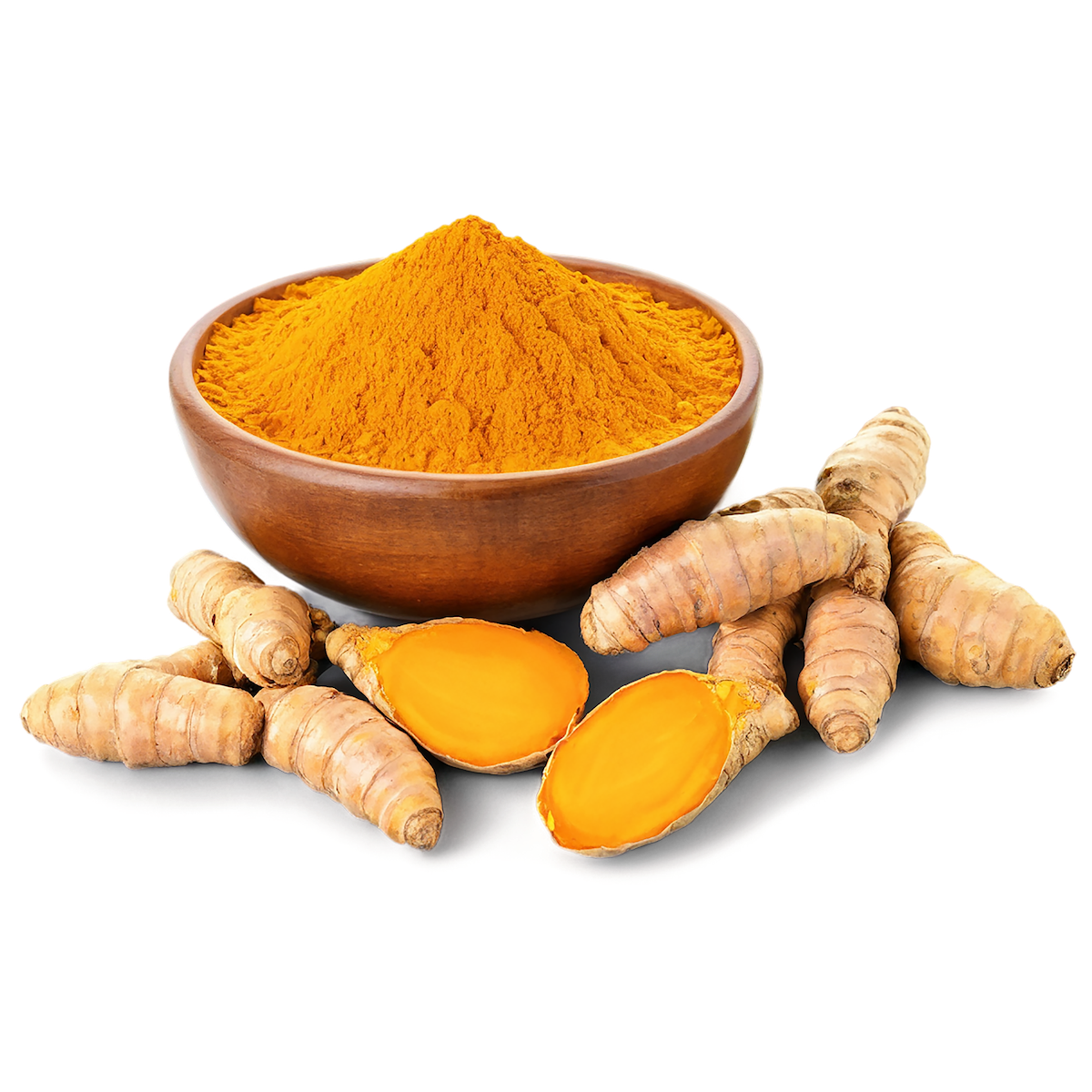
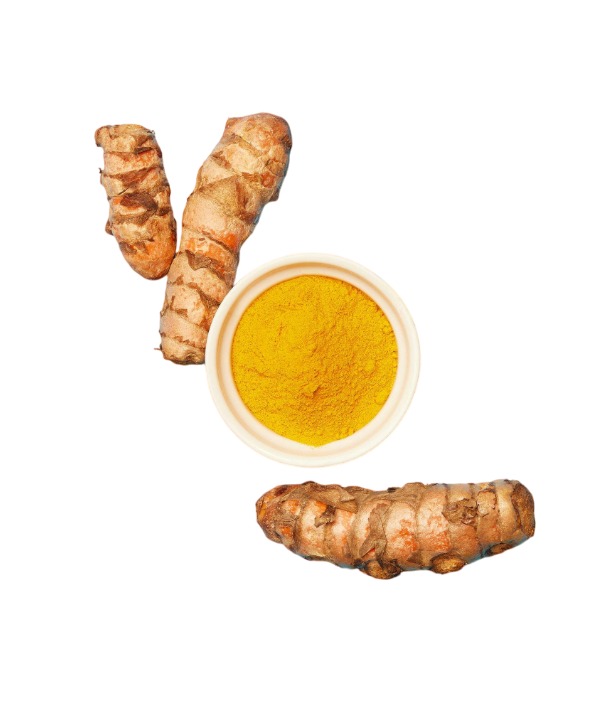
Our Australian turmeric demonstrates what this can look like in practice. Rather than starting with a finished turmeric powder, the process begins with Australian-grown turmeric.
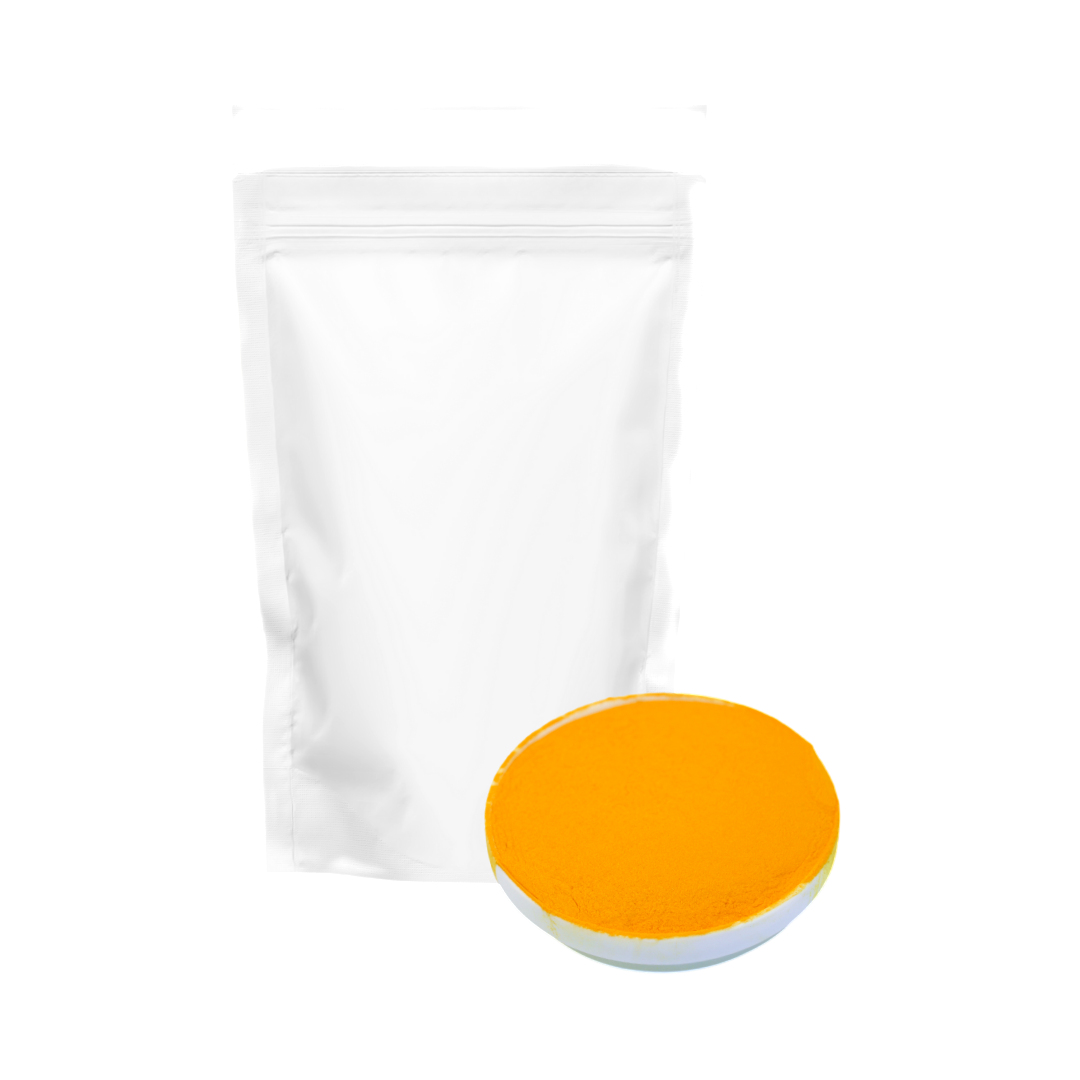
The turmeric is processed through our manufacturing operation, where it is freeze dried and can then be milled into powder where required.
The pathway is straightforward:
Australian-grown turmeric → freeze drying → milling → finished turmeric powder
The detailed process is covered in our case study, From Australian Turmeric to Finished Powder: Inside the Agtech Freeze Drying Process.
The important point here is not simply that the turmeric is Australian.
It is that the origin of the agricultural ingredient is known and more of the processing pathway can be directly accounted for.
Australian Doesn't Automatically Mean Better
Australian sourcing can provide advantages, including shorter supply chains and closer communication with growers and suppliers.
But “Australian” should not be treated as a substitute for quality assurance.
Imported ingredients can also be produced to high standards.
Likewise, an Australian ingredient still needs appropriate handling, specifications, testing and traceability.
Country of origin is one piece of the puzzle.
Understanding the ingredient and its processing history is another.
What Good Ingredient Transparency Looks Like
Ingredient transparency is not about making a claim that sounds reassuring.
It is about being able to answer practical questions such as:
- Where did the ingredient come from?
- Who supplied it?
- How was it processed?
- What was added?
- What testing or verification was undertaken?
- Can the ingredient be traced through production?
The answers will vary depending on the product, but a manufacturer should have systems in place to establish and document the relevant information.
Food Standards Australia New Zealand recommends that food businesses maintain records that allow food to be traced through the supply chain, including information such as suppliers, products, dates, quantities and batch or lot identifiers.
For brands, that documentation provides an important foundation for understanding what is actually going into a product.
Our Approach at Agtech Freeze Drying
At Agtech Freeze Drying, we see freeze drying as part of a larger manufacturing process rather than an isolated step. We work with businesses across a range of food and ingredient applications, helping transform raw or fresh materials into freeze-dried ingredients. Depending on the project, our broader manufacturing capabilities can also support stages such as:
Sourcing → preparation → freeze drying → milling → blending → testing → packaging
Not every product requires every stage. The process is determined by the raw material, the finished product and the customer’s requirements. What matters is having a clear understanding of the journey between the two.
Food fraud is not something that can be solved by one processing method or one manufacturer. It requires transparency across the supply chain, from sourcing and processing through to manufacturing and distribution.
For brands, one of the simplest ways to strengthen that supply chain is to ask better questions of their manufacturing partners.
- Where did this ingredient come from?
- What happened to it before it reached production?
- Who processed it?
- What was added?
- Can its journey be traced?
The answers help build a clearer picture of the ingredient behind the label.
At Agtech Freeze Drying, our role is to provide controlled processing and help businesses understand how their raw materials can move through the manufacturing process.
Because ingredient transparency does not begin with the finished package.
It begins with knowing what you started with.