
Case Study:
From Australian Turmeric to Freeze-Dried Powder: Inside the Agtech Freeze Drying Process
When a business purchases a turmeric powder, it can be difficult to know exactly what happened to the ingredient before it arrived at the manufacturing facility.
Where was the turmeric grown?
Who processed it?
How was it dried?
Who milled it?
How many businesses handled it before it became a finished powder?
And was anything added during processing?
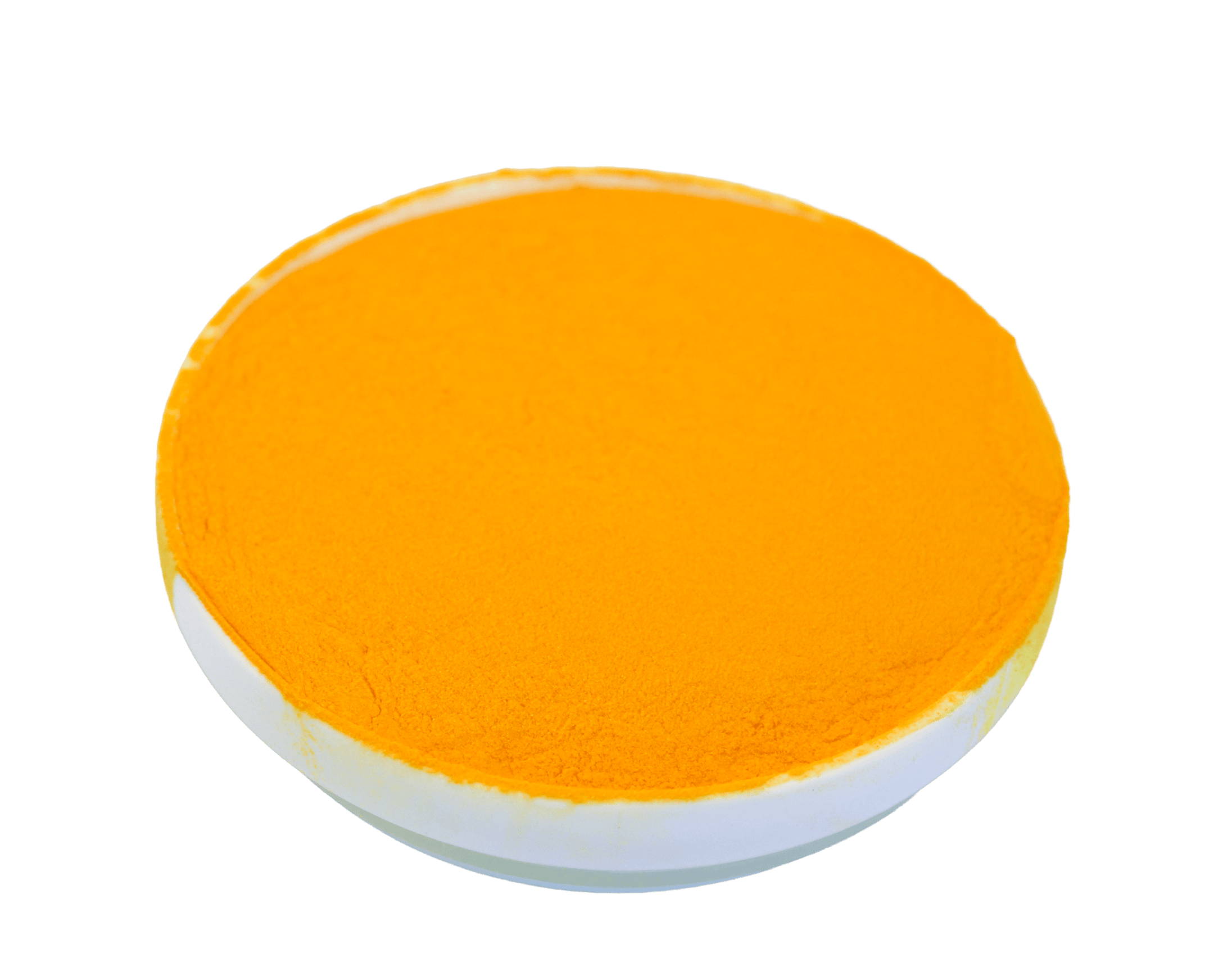
These questions become particularly important for brands developing products around ingredient purity, Australian sourcing or single-ingredient formulations. At Agtech Freeze Drying, our Australian turmeric provides a practical example of how greater control over processing can improve supply chain visibility. Rather than purchasing a finished turmeric powder and simply repacking it, we start with Australian-grown turmeric and process it through our manufacturing network. The turmeric is prepared, freeze dried and, where required, milled into a finished powder.
This case study follows the journey from Australian-grown turmeric through to the finished ingredient and looks at what happens at each stage of the process.
Starting With Australian-Grown Turmeric
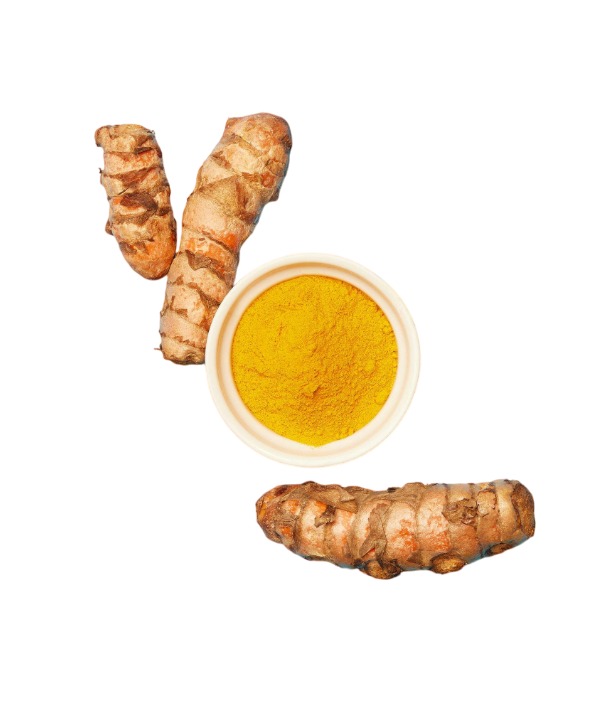
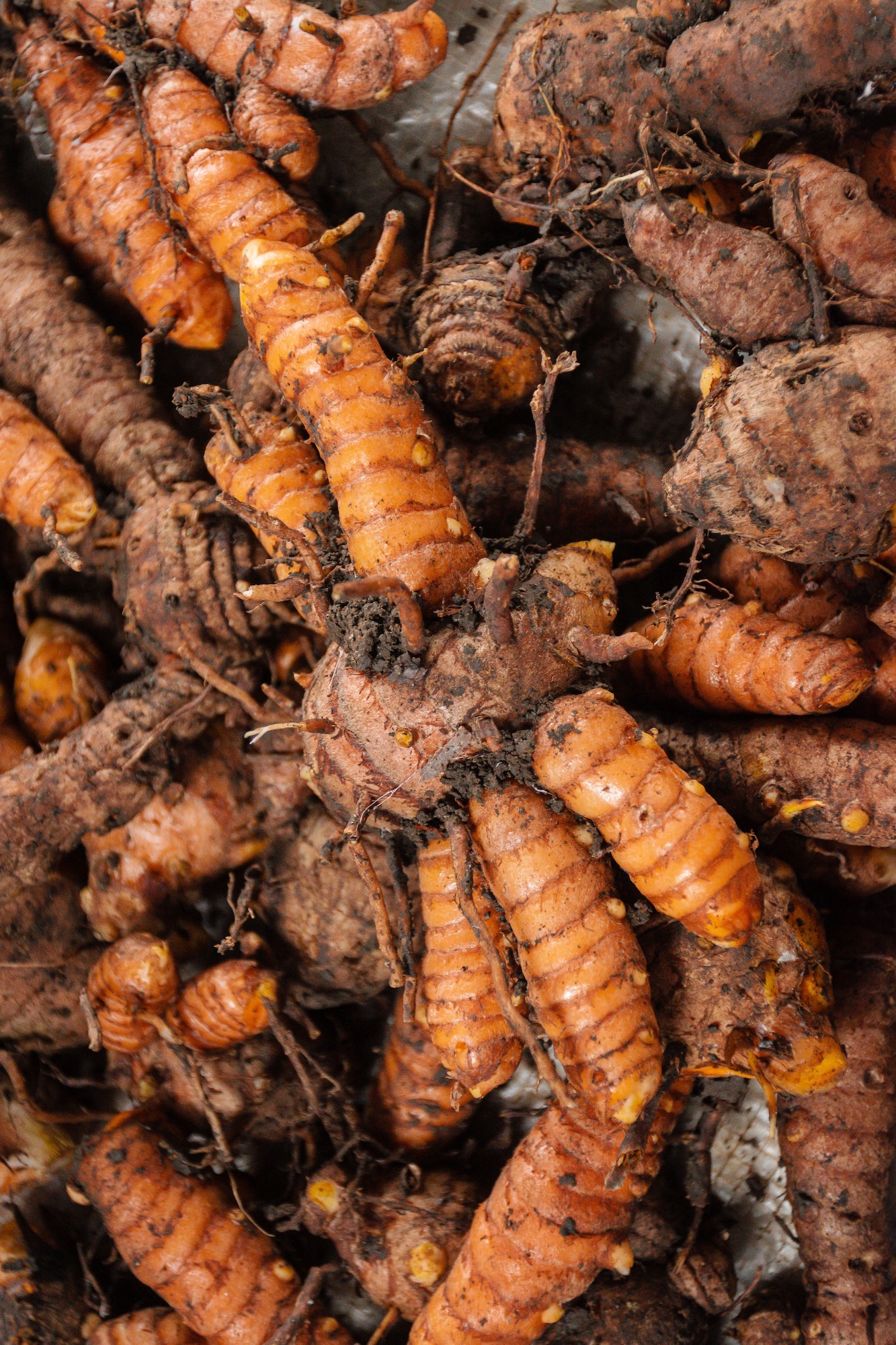
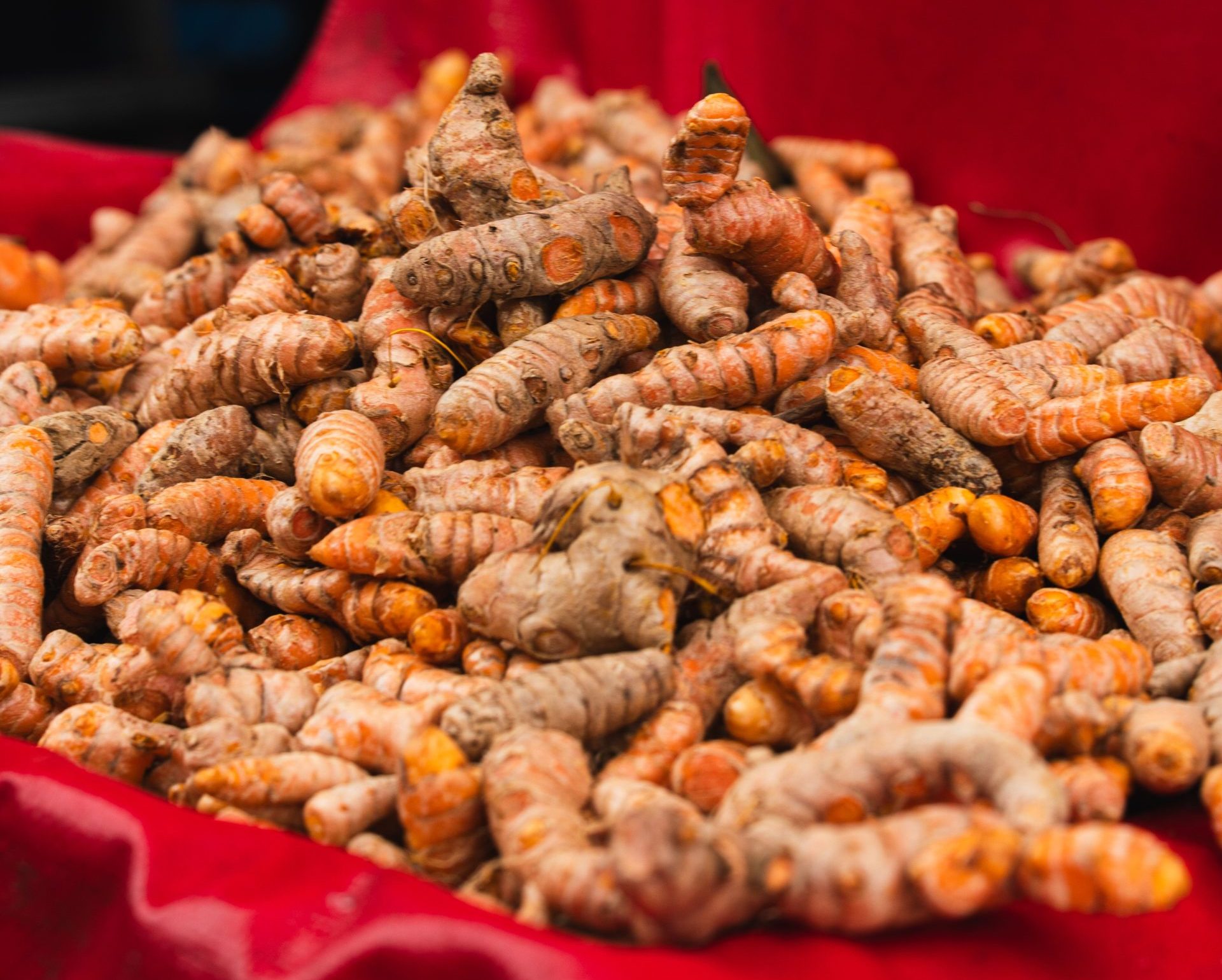
The process begins with the raw ingredient: Australian-grown turmeric.
This is an important starting point because there is a significant difference between knowing the supplier of a finished powder and knowing the origin of the agricultural ingredient itself.
When a manufacturer purchases an already processed turmeric powder, there may be several stages between the original crop and the finished ingredient. These could include drying, processing, milling, blending, packaging, importing, storage and distribution.
Our process starts further upstream.
We source turmeric as an agricultural ingredient and bring it into our processing operation before it has been transformed into the finished powder.
That gives us greater visibility over the journey from raw turmeric to processed ingredient and allows us to control the freeze-drying stage ourselves.
Why Supply Chain Visibility Matters
Food traceability is the ability to track food through the stages of production, processing and distribution.
For food manufacturers and brands, traceability means being able to answer questions about where an ingredient came from, who supplied it, what happened to it during processing and where it went afterwards.
The more stages of the process that can be directly accounted for, the clearer the ingredient’s journey becomes.
Our turmeric provides a straightforward example:
Australian-grown turmeric → preparation → freeze drying → milling → finished turmeric powder
Instead of starting with a bag of finished turmeric powder from an unknown processing pathway, we start with the agricultural ingredient itself.
From there, the material moves through controlled processing stages.


Step 1: Preparing the Turmeric
Before the turmeric enters the freeze dryer, the raw material needs to be prepared for processing.
The turmeric is handled according to our manufacturing and food safety procedures, with the objective of preparing the material for freeze drying while maintaining control over the raw ingredient entering production. This stage is important because freeze drying does not replace the need for appropriate raw material handling.
The quality and characteristics of the material entering the freeze dryer can influence the processing requirements and the resulting dried ingredient.
Most importantly, the process begins with turmeric. It does not begin with an unidentified powder.
Step 2: Freeze Drying the Turmeric
The prepared turmeric then enters the freeze-drying process.
Freeze drying, also known as lyophilisation, is a dehydration process that removes water from a frozen product through sublimation.
The material is frozen and placed under reduced pressure. Under these conditions, the ice within the product transitions directly from a solid to a vapour, allowing moisture to be removed without relying on conventional high-temperature drying.
This is what makes freeze drying different from many traditional drying methods.
Rather than simply applying heat to remove moisture, freeze drying uses freezing and controlled pressure to remove water from the product.
For turmeric, the result is a dry, stable ingredient that can then be processed further depending on the intended application.
At Agtech Freeze Drying, freeze drying is a core part of our processing capability. We work with a range of food and ingredient materials, helping businesses transform raw or fresh ingredients into shelf-stable dried ingredients.
For our Australian turmeric, the key point is simple:
We freeze dry the turmeric ourselves.
We are not purchasing an already freeze-dried or conventionally dried turmeric powder from another supplier.
The raw turmeric enters our process and the freeze-drying stage is carried out within our own operation.
What Happens During Freeze Drying?
The freeze-drying process involves several controlled stages.
First, the product is frozen.
Once frozen, it is placed into the freeze dryer and subjected to reduced pressure.
The frozen water within the product then undergoes sublimation, changing directly from ice into vapour.
As the process continues, moisture is removed from the material while the product remains under controlled conditions.
The result is a lightweight, dry ingredient that can be stored and processed further.
The exact freeze-drying parameters depend on the material being processed. Different foods and ingredients contain different amounts of moisture and have different structures, so freeze-drying is not simply a matter of applying one standard cycle to every product.
This is one of the reasons experience and process control are important when working with freeze-dried ingredients.
Step 3: The Freeze-Dried Turmeric
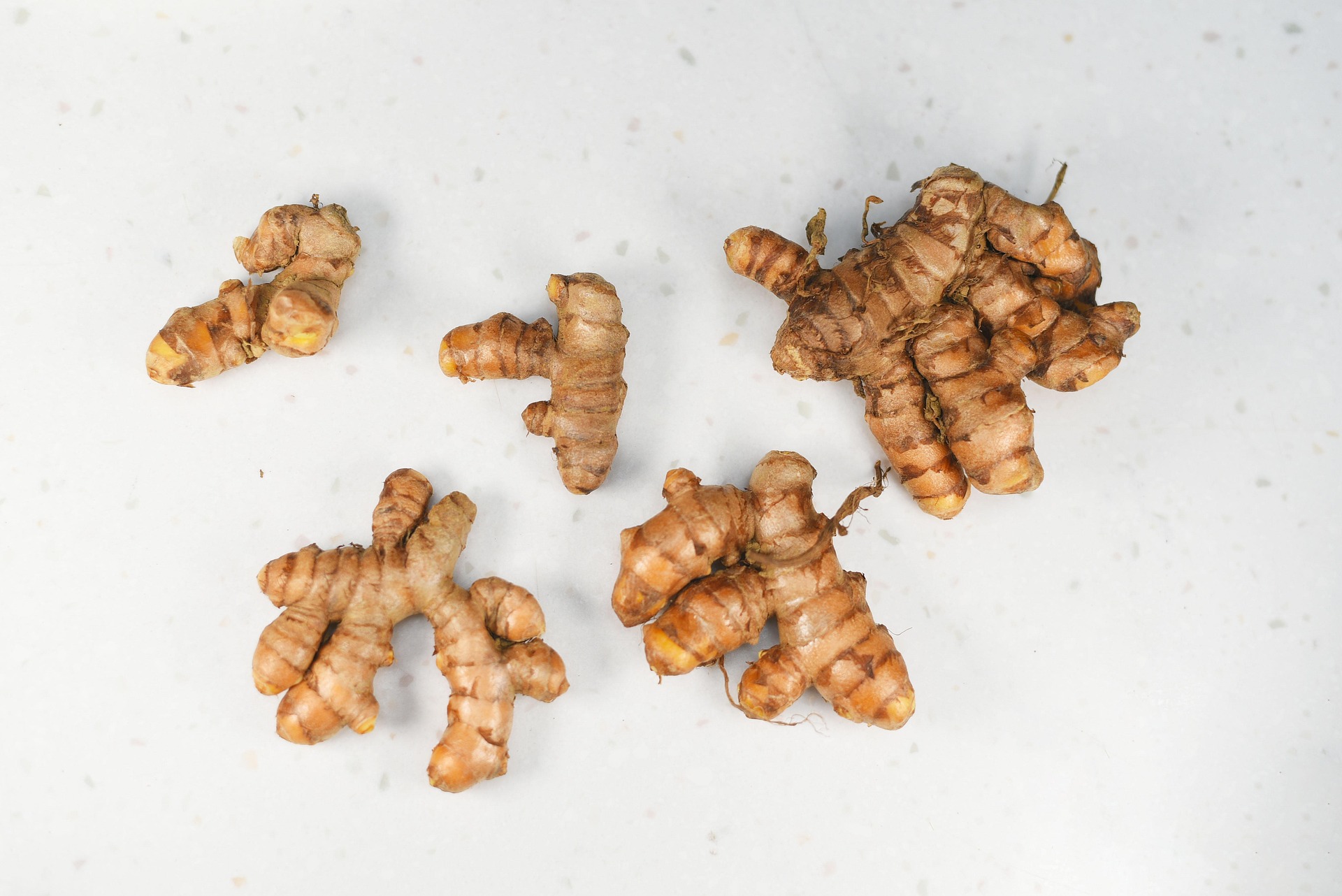
Once the freeze-drying process is complete, the turmeric has been transformed from its original form into a dry ingredient.
At this stage, the material can be supplied as a freeze-dried ingredient or undergo additional processing depending on the customer’s requirements.
For applications requiring a powder, the freeze-dried turmeric can move through to milling.
This creates a useful distinction between the freeze-drying process and the final powder format.
Freeze drying removes the moisture.
Milling then determines the physical format of the dried ingredient.
Step 4: Milling the Freeze-Dried Turmeric
For customers requiring a powdered ingredient, the freeze-dried turmeric can be milled into a suitable particle size.
Milling reduces the dried material into a powder that can be used in applications such as food products, ingredient blends and other formulations.
Particle size can influence how a powder handles, mixes and incorporates into a finished product, so milling is an important part of producing a usable ingredient.
Through the Agtech manufacturing network, milling can be incorporated into the process where required.
This means businesses do not necessarily need to arrange separate suppliers for every stage between freeze drying and finished powder production.
What Is Added to the Turmeric?
For a single-ingredient turmeric powder, this is an important question.
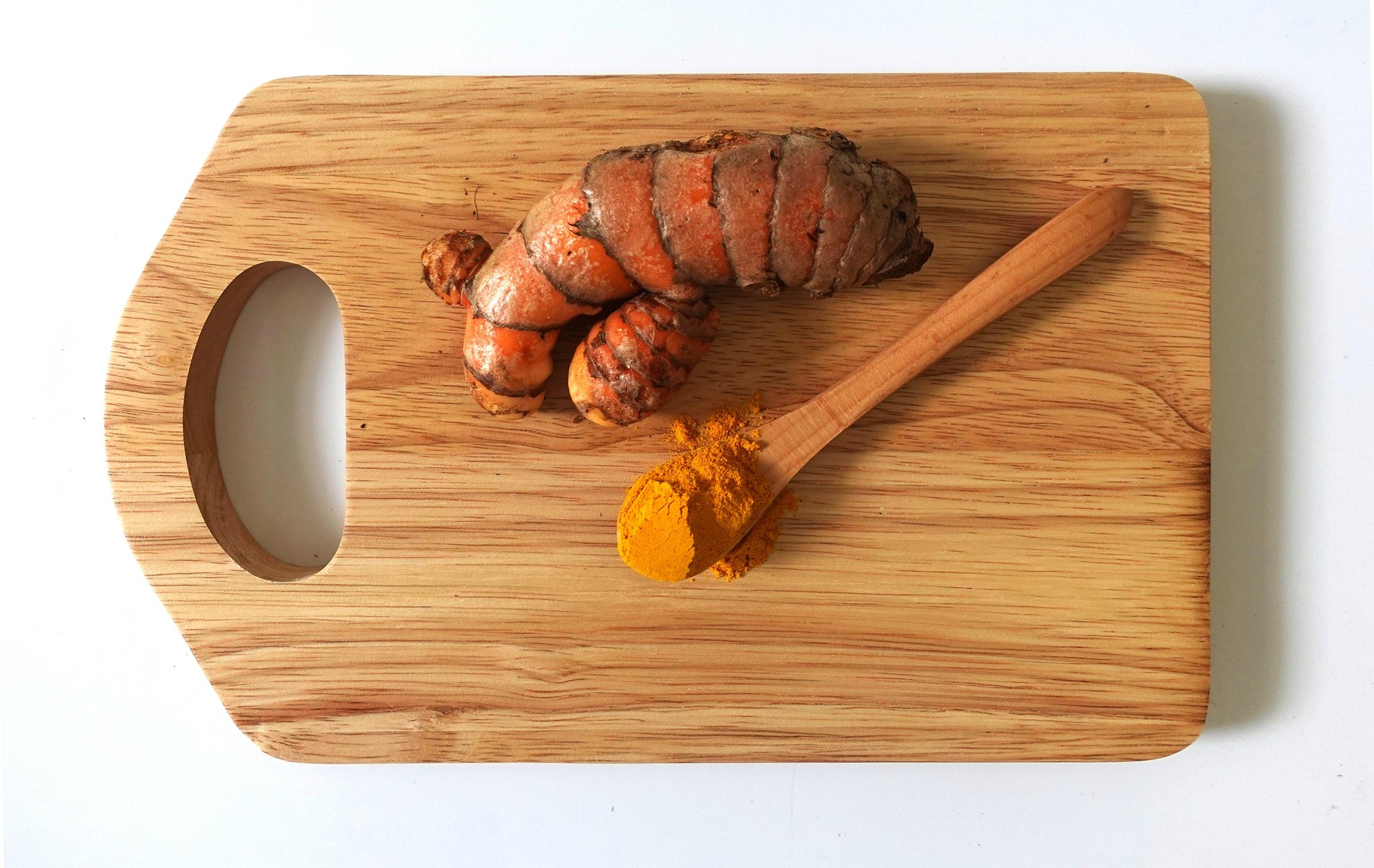
The process starts with Australian-grown turmeric and the finished ingredient remains turmeric throughout the processing pathway.
No fillers or binders are required to turn the turmeric into a powder.
The process is:
Australian-grown turmeric → freeze dried turmeric → milled turmeric → finished turmeric powder
The purpose of the process is to remove moisture and transform the physical format of the ingredient, not to turn it into a multi-ingredient formulation.
This provides a clear example of why understanding the processing pathway matters.
The important question is not simply whether a product is labelled “turmeric”.
It is understanding where the turmeric came from and what happened to it before it became the finished ingredient.
Why Freeze Dry Instead of Buying a Finished Powder?
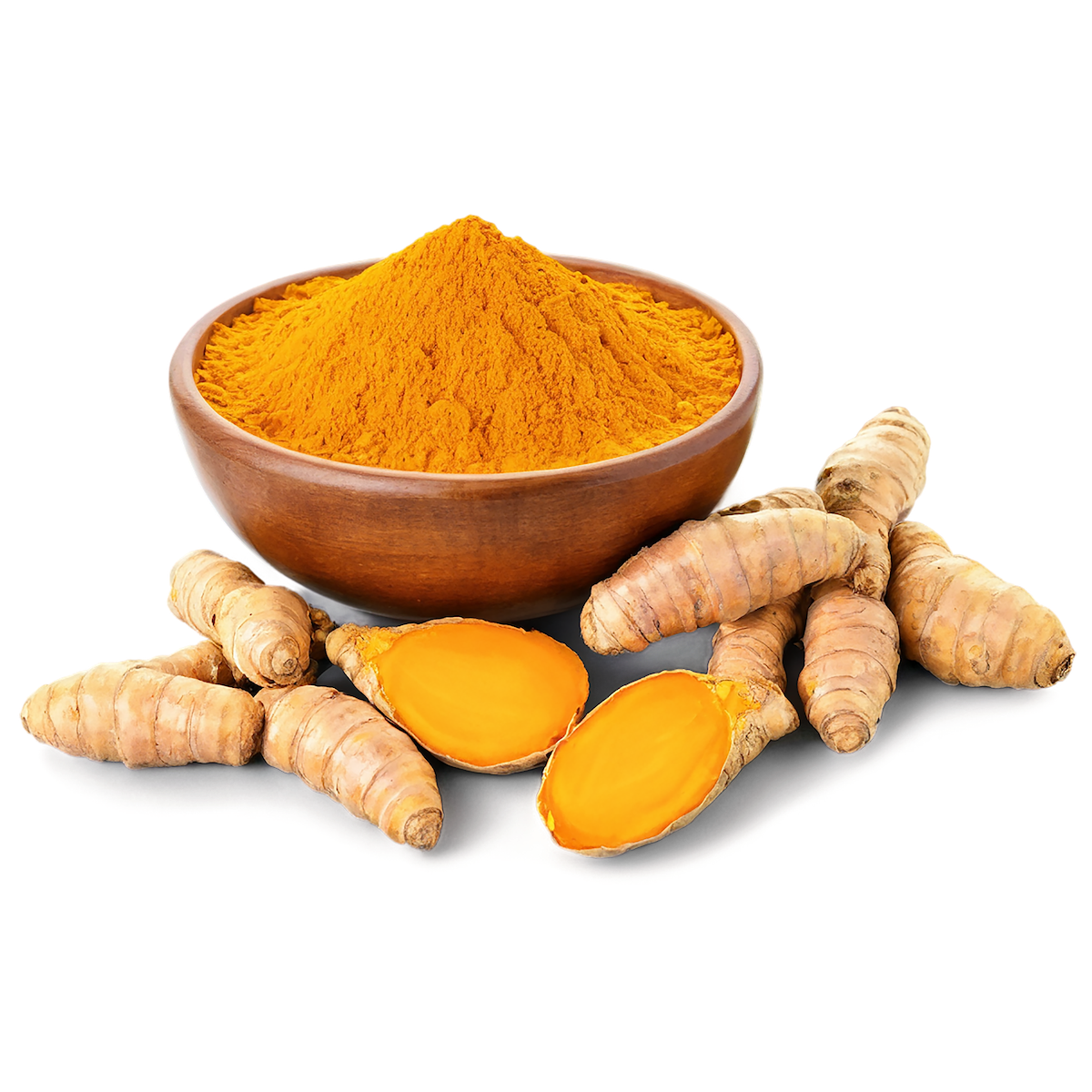
For a manufacturer, purchasing an existing powder can be a straightforward way to source an ingredient. However, doing so can also mean accepting a longer or less visible processing chain.
If the turmeric has already been dried, milled and packed before it reaches the manufacturer, there may be several processing stages that occur outside the manufacturer’s direct control. That does not automatically mean the ingredient is poor quality or that something has gone wrong.
It simply means there are more stages to verify such as.
- Where was the turmeric grown?
- How was it dried?
- Who processed it?
- Where was it milled?
- Was anything added?
- How was it stored?
- How was it transported?
Supplier documentation and traceability systems can help answer these questions. But when more stages are managed within the same manufacturing network, there can be fewer separate suppliers involved and greater visibility over how the ingredient moves from raw material to finished product.
That is one of the advantages of our approach.
Why Supply Chain Visibility Matters
Australian sourcing is another part of the story. Local sourcing does not automatically mean an ingredient is better, and imported ingredients are not automatically inferior. Australia imports many food ingredients that are manufactured to appropriate standards and used throughout the food industry. The important consideration is whether the origin and processing history of an ingredient can be established. For our turmeric, we can identify the agricultural starting point and then follow the ingredient through the processing pathway.
Australian-grown turmeric → Preparation → Freeze drying → Milling, where required → Finished turmeric ingredient
This creates a much clearer connection between the original agricultural ingredient and the final product.

Why This Matters for Brands
For a food, supplement or nutraceutical brand, the story behind an ingredient can be an important part of product development. Consumers are increasingly interested in where ingredients come from, how they are processed and what goes into the products they purchase.
For brands using Australian turmeric, being able to understand the ingredient’s journey provides more information when developing product claims, packaging and marketing communications.
It also gives brands a clearer manufacturing story.
Instead of simply knowing that a finished product contains turmeric, a brand can understand:
- where the turmeric originated
- how it was processed
- how it was dried
- how it became a powder
- what was added during processing
That information can be valuable when building a product around ingredient transparency and traceability.
Beyond Turmeric
Turmeric is just one example of the ingredients that can be processed through Agtech Freeze Drying.
Our freeze-drying capability can be used for a range of food and ingredient applications, from fruits and vegetables through to herbs, spices and other raw materials.
Depending on the project, businesses can work with us using their own raw materials or discuss ingredient sourcing with our team.
Where required, freeze drying can also be combined with other processing capabilities through the broader Agtech manufacturing network, including milling, blending, testing and packaging.
This provides businesses with the option to manage multiple stages of their product journey through connected manufacturing capabilities rather than coordinating every stage with a different supplier.
From Raw Ingredient to Finished Product
The journey from an agricultural ingredient to a finished powder involves more than simply removing moisture.
It involves knowing where the raw material came from, understanding how it needs to be handled, selecting an appropriate processing method and maintaining control throughout the transformation.
Our Australian turmeric demonstrates this process.
It starts as Australian-grown turmeric.
We prepare it for processing.
We freeze dry it.
We mill it when a powdered format is required.
And we can continue supporting the ingredient through additional manufacturing stages where required.
The result is a clear processing pathway from agricultural ingredient to finished powder.
The Bigger Question: Do You Know Your Ingredient?
The growing discussion around food fraud, ingredient authenticity and supply chain transparency has highlighted an important question for food manufacturers and brands:
Do you know where your ingredient came from, and do you know what happened to it before it became part of your product?
For our Australian turmeric, the answer is straightforward. We start with Australian-grown turmeric and control the freeze-drying process ourselves. We know the starting ingredient. We know the processing pathway. And we can explain how the raw turmeric becomes the finished ingredient.
For Agtech Freeze Drying, that is the value of controlling more of the process.
From Australian-grown turmeric to freeze-dried ingredient, the journey is part of the product story.
Contact Us
We Work With Companies and Clients of All Sizes & Types
Need custom freeze-dried solutions for your business? Contact us today to learn more about our products, custom solutions, or to request a quote.