
20 Foods you can freeze dry
When most people think about freeze-dried food, they might picture strawberries, bananas or lightweight camping meals.
But freeze drying can be used for far more than fruit.
Commercial freeze drying can be used to process a wide range of meat, seafood, animal-based ingredients, fruits, vegetables and prepared foods, creating lightweight, low-moisture ingredients for food manufacturers, pet food businesses, supplement companies and product developers.
For businesses, freeze drying can also provide an opportunity to turn fresh or perishable ingredients into value-added products and ingredients.
So, what foods can you freeze dry?
Here are 20 examples:
1. Beef
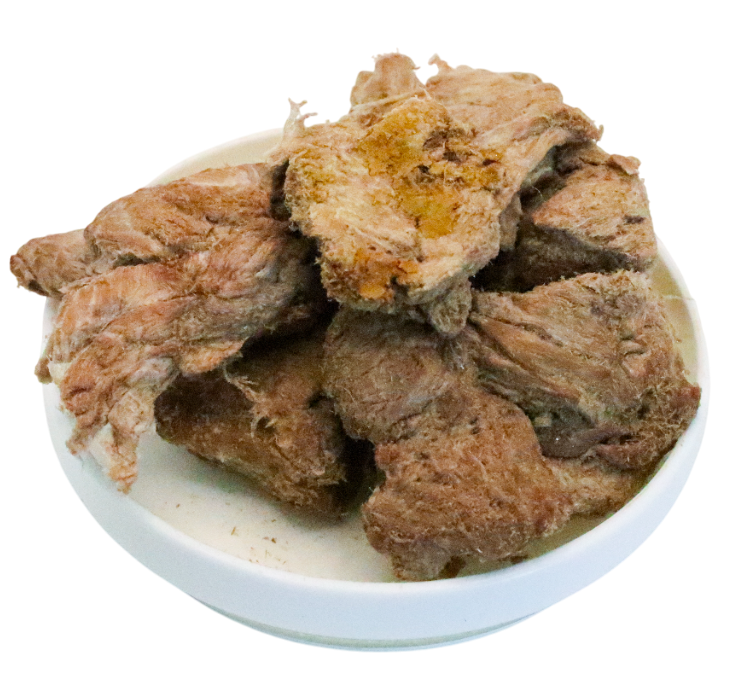
Beef is one of the most commercially interesting foods that can be freeze dried.
Depending on the intended application, beef can be processed into pieces, flakes or a powdered ingredient.
Freeze-dried beef may be suitable for applications such as:
- Prepared meals
- Outdoor and emergency food
- Pet food
- Specialty food products
- Meat-based ingredient blends
- Nutritional products
For manufacturers, converting beef into a dry ingredient can create opportunities to develop products that would be difficult to produce using fresh meat.
2. Chicken
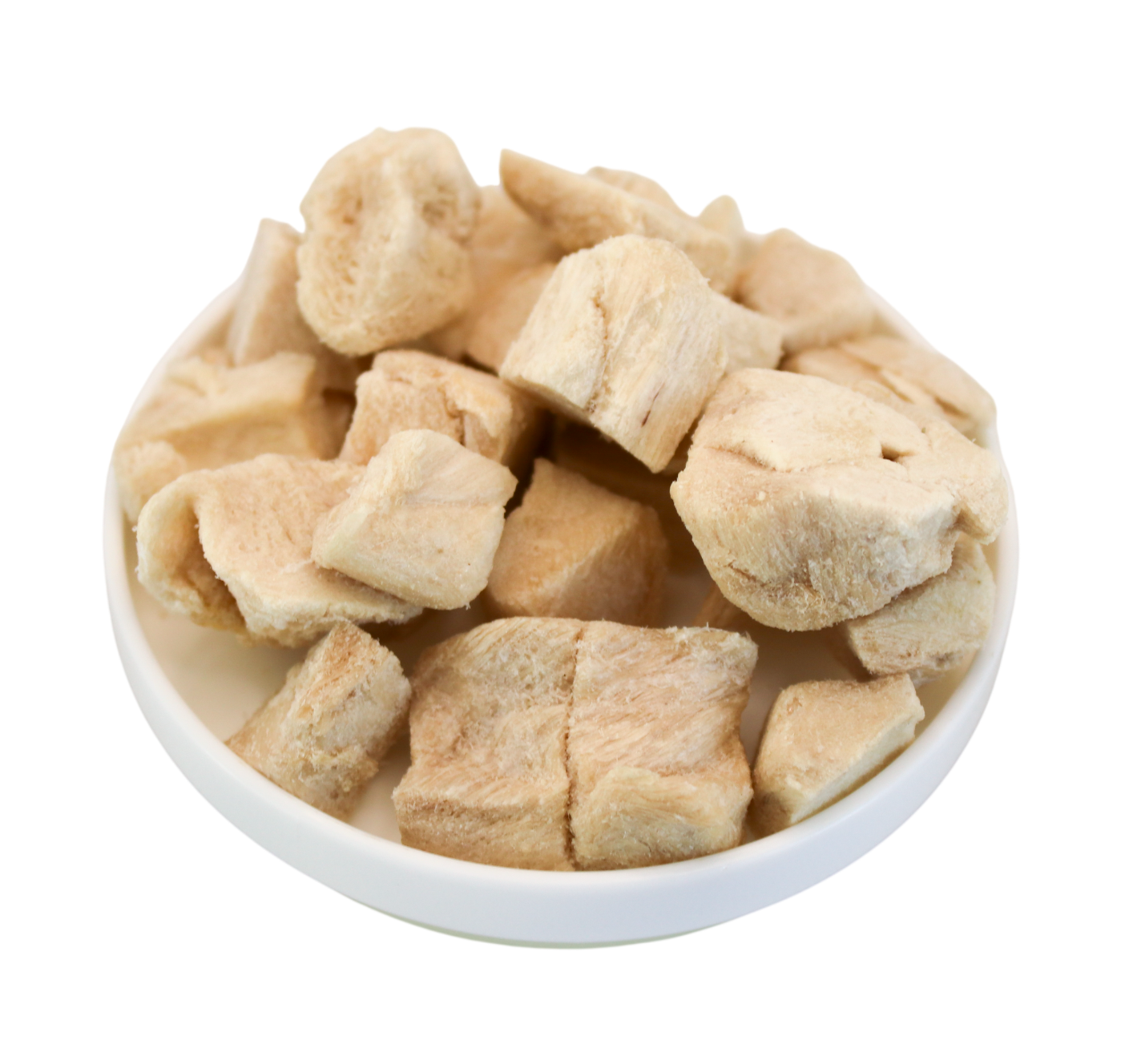
Chicken can also be freeze dried and incorporated into a range of food products.
Freeze-dried chicken can be processed into different formats depending on the final application, including pieces or smaller particles suitable for further processing.
Potential applications include prepared meals, pet food, specialty food products and dry meal blends.
For food developers, freeze-dried chicken can provide a convenient way to incorporate a meat ingredient while significantly reducing its moisture content.
3. Lamb
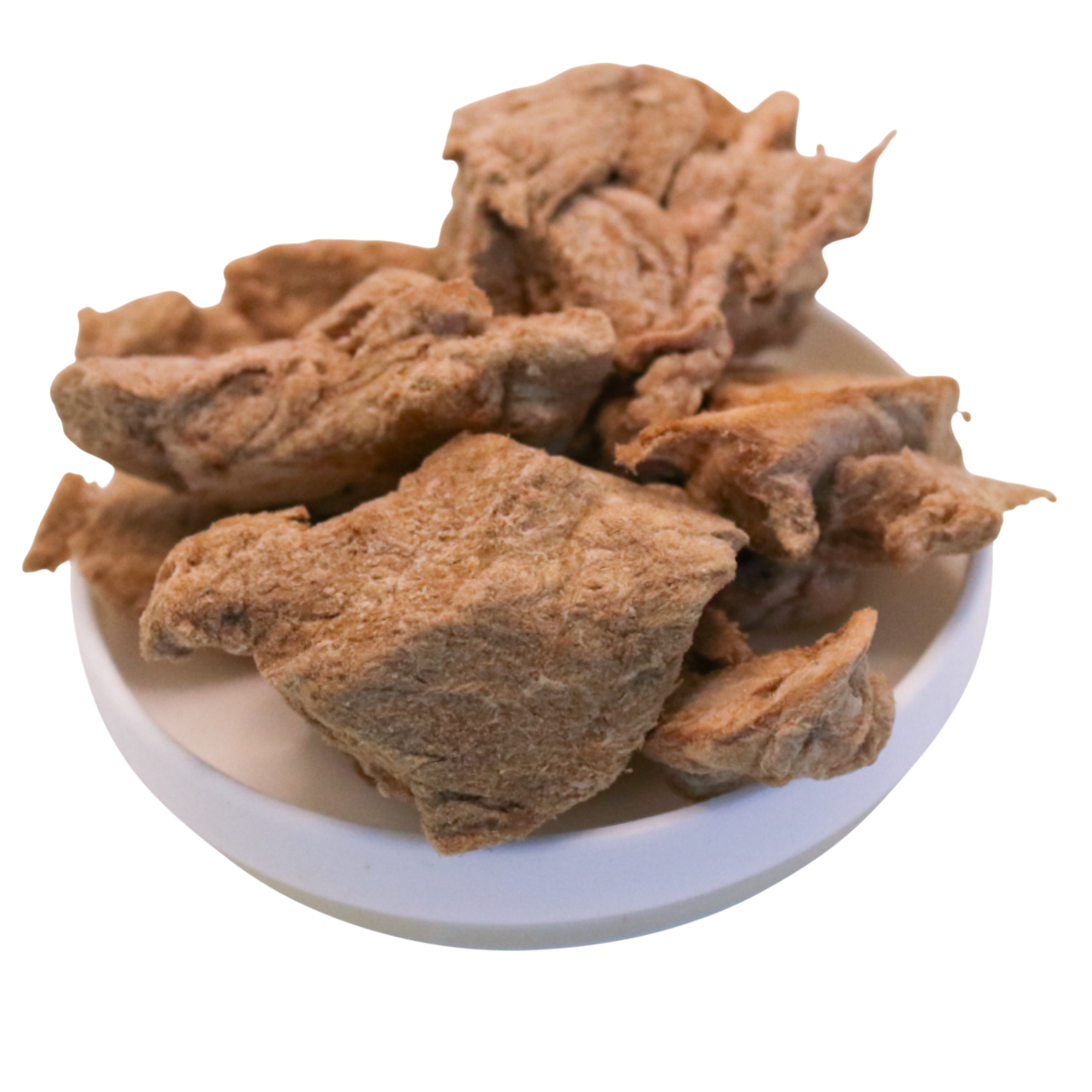
Lamb is another meat that can be freeze dried for commercial applications.
Freeze-dried lamb may be used in prepared foods, specialty products, pet food and other meat-based formulations.
For Australian producers, this can also create opportunities to explore value-added products from locally sourced meat rather than selling the raw ingredient alone.
4. Turkey
Turkey can be freeze dried for a range of commercial food and ingredient applications. It can be processed into different formats depending on the requirements of the finished product.
Potential applications include:
- Prepared meals
- Pet food
- Specialty food products
- Meat-based ingredient blends
- Nutritional products
For food manufacturers, freeze-dried turkey can provide a versatile, low-moisture meat ingredient for product development.
These should not be difficult questions for a manufacturer to answer.
Transparency should be part of the relationship between a manufacturer and its customers.
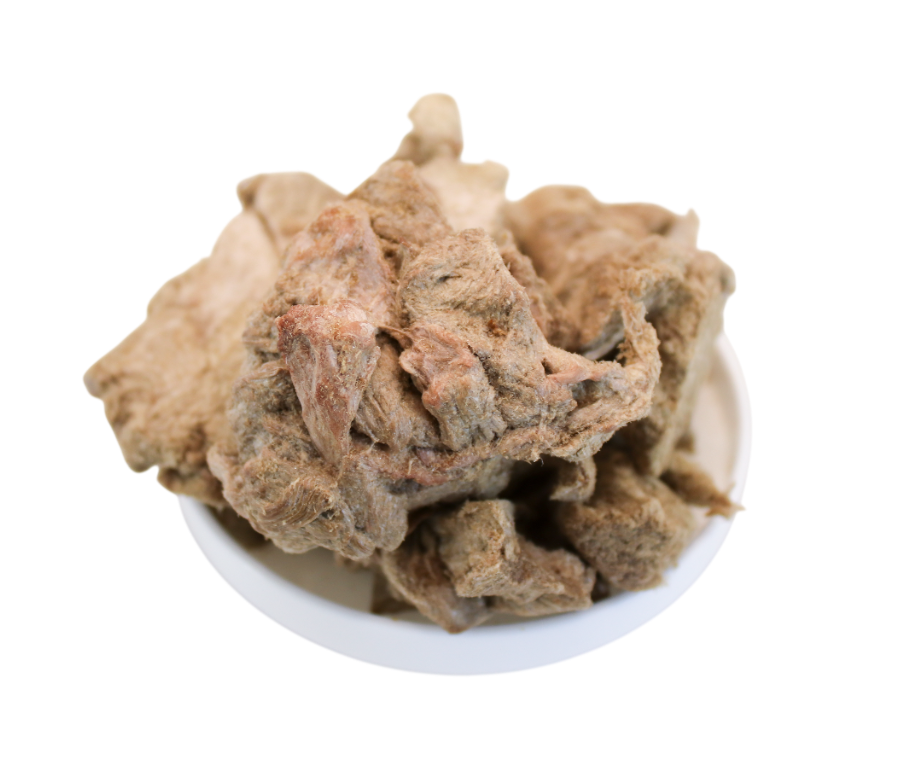
5. Kangaroo
Australian native meats can present an interesting opportunity for product development.
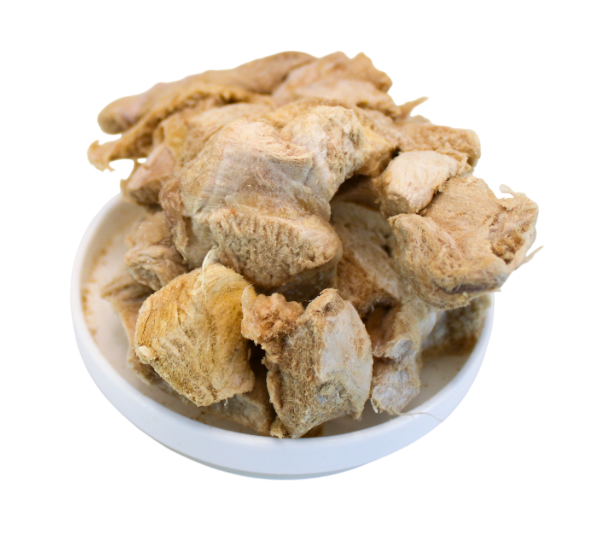
Kangaroo can potentially be freeze dried and processed into a format suitable for specialised food or ingredient applications.
For businesses working with Australian native ingredients, freeze drying can provide another avenue for creating value-added products with an Australian point of difference.
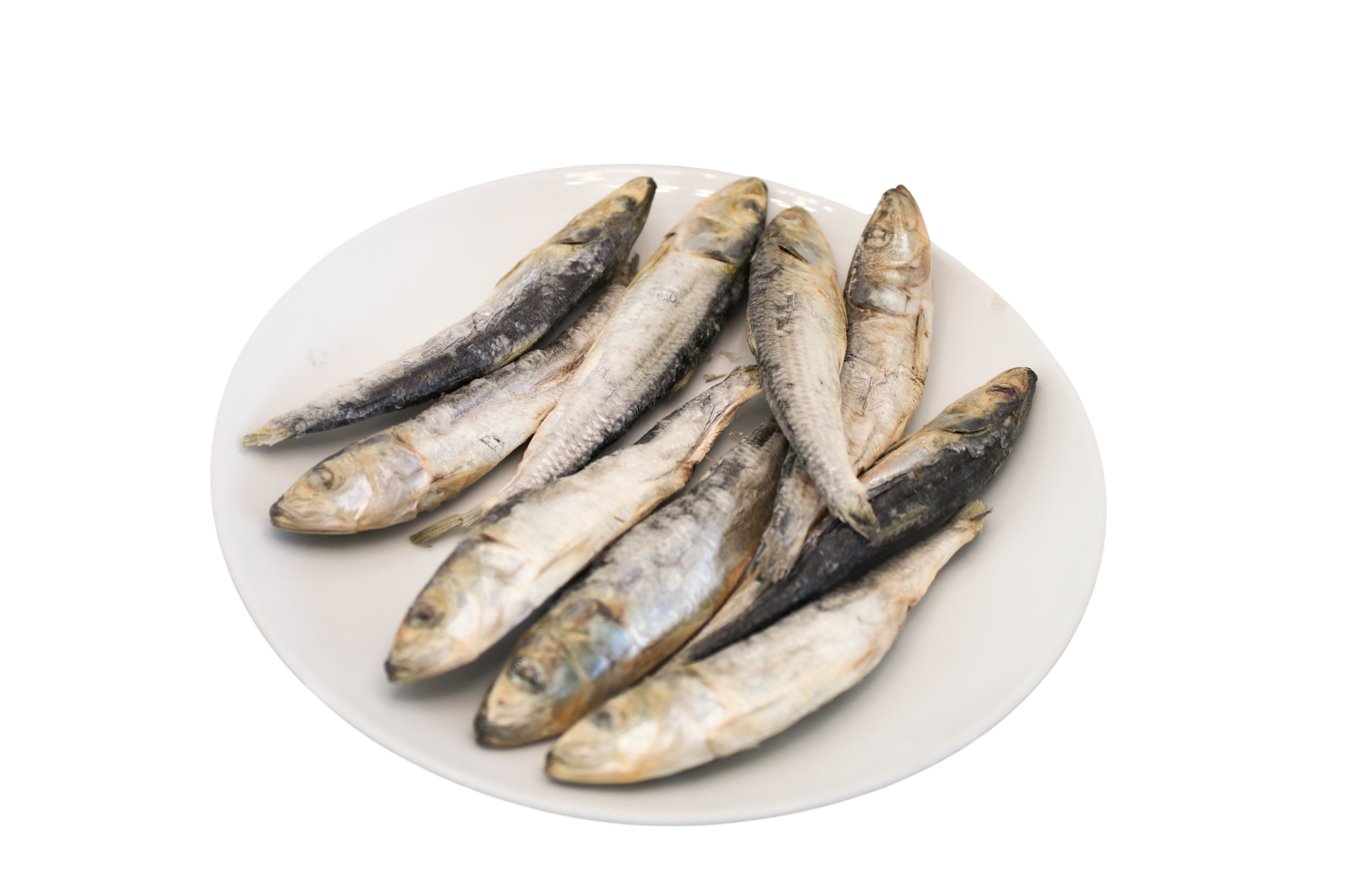
6. Fish
Fish can be freeze dried and used in a variety of applications.
Different species and cuts can behave differently during processing, so product testing is important when developing a commercial application.
Potential uses include:
- Prepared meals
- Seafood products
- Pet food
- Ingredient blends
- Specialty food products
Freeze-dried fish can also be processed into smaller particles or powder depending on the requirements of the finished product.
7. Seafood and Prawns
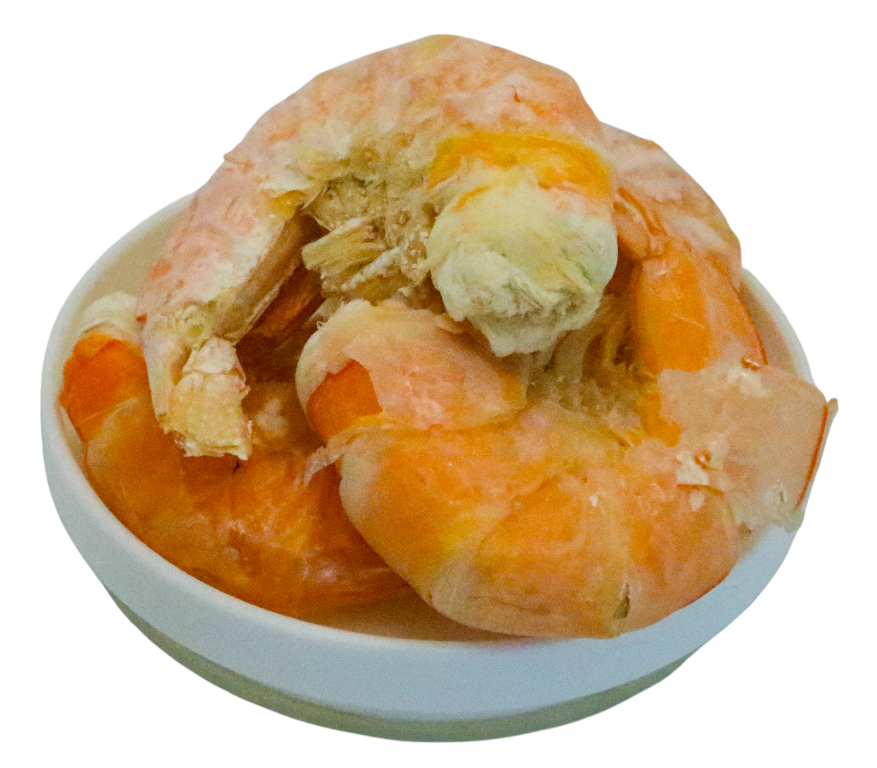
Seafood such as prawns and other shellfish can also be considered for freeze drying.
This can be particularly interesting for businesses developing shelf-stable food products, specialty ingredients or seafood-based formulations.
As with other animal products, the specific characteristics of the ingredient need to be considered when determining the most appropriate processing approach.
8. Organ meats and offal
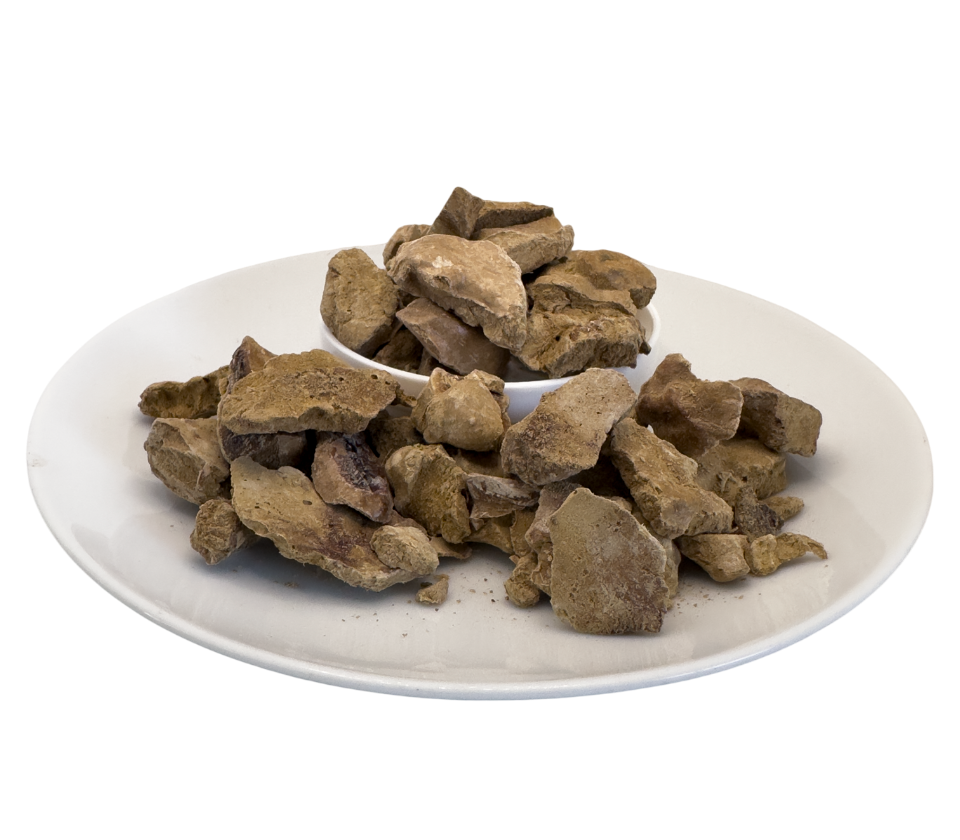
Organ meats are an especially interesting area for commercial freeze drying.
Ingredients such as liver, heart and other organ meats can potentially be processed into dry ingredients or powders.
This opens up opportunities for businesses developing:
- Pet food products
- Animal nutrition products
- Nutritional products
- Ingredient blends
- Specialty food products
For businesses working with organ meats, freeze drying can be particularly valuable because it creates opportunities to turn a raw ingredient into a more versatile, transportable ingredient.
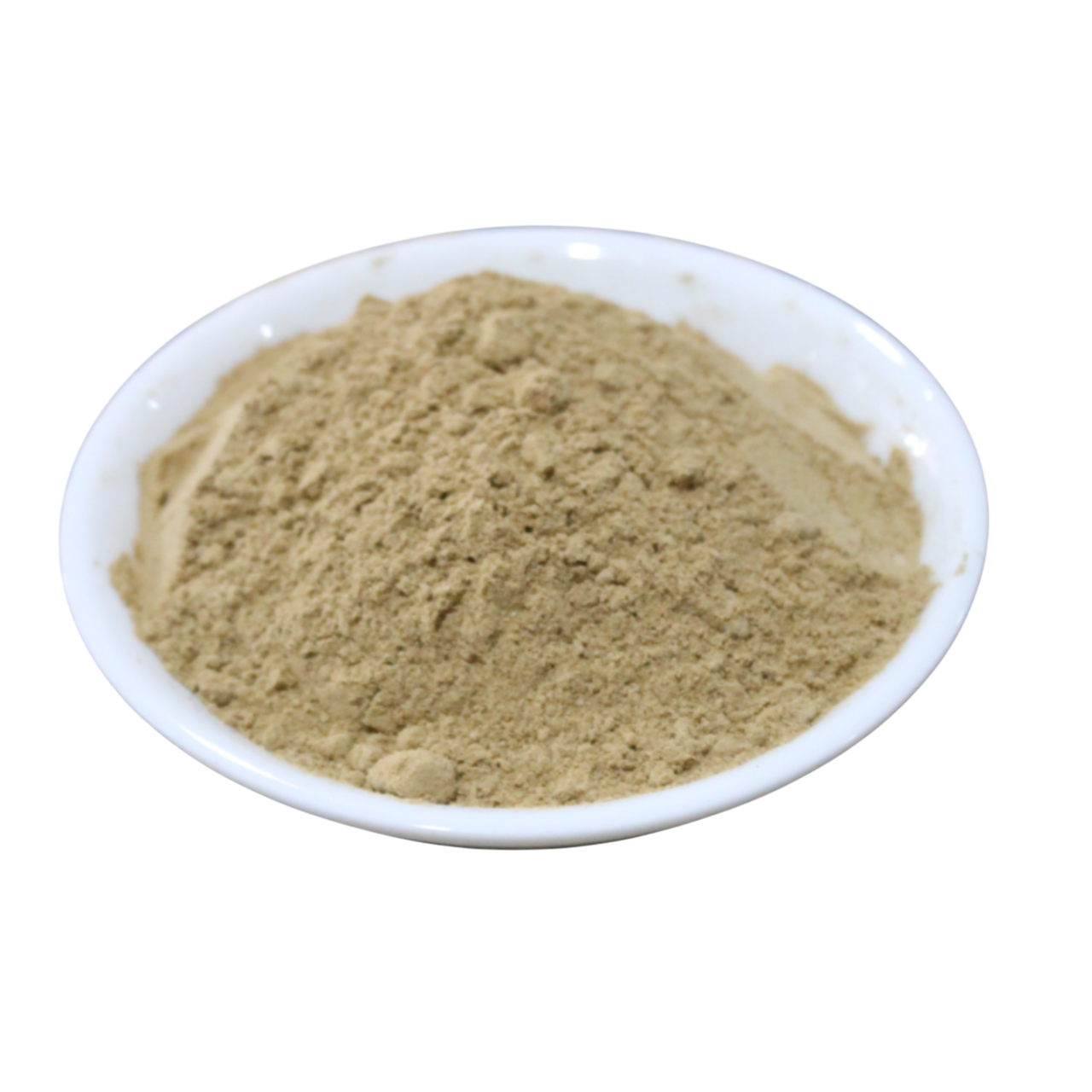
9. Bone Broth
Bone broth is another interesting product for freeze drying.
Once processed, it can potentially be developed into a dry ingredient or powder that can be reconstituted with water or incorporated into another formulation.
This could create opportunities for products such as:
- Bone broth powders
- Soup products
- Cooking ingredients
- Meal blends
- Nutritional products
For brands, the ability to convert a liquid product into a dry format can open up entirely different packaging, storage and product-development possibilities.
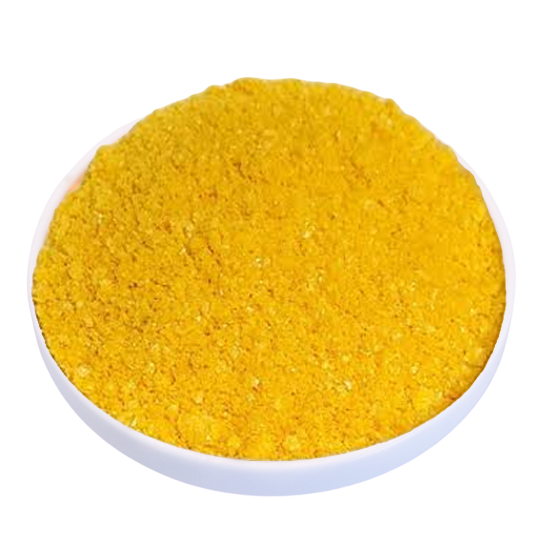
10. Eggs
Egg-based products can also be freeze dried.
Egg ingredients can potentially be processed into a dry format for use in food manufacturing and product development.
Potential applications may include baking products, dry mixes, meal products and other formulations where a dry egg ingredient is useful.
The exact suitability and processing requirements will depend on the egg product and intended application.
11. Dairy Products
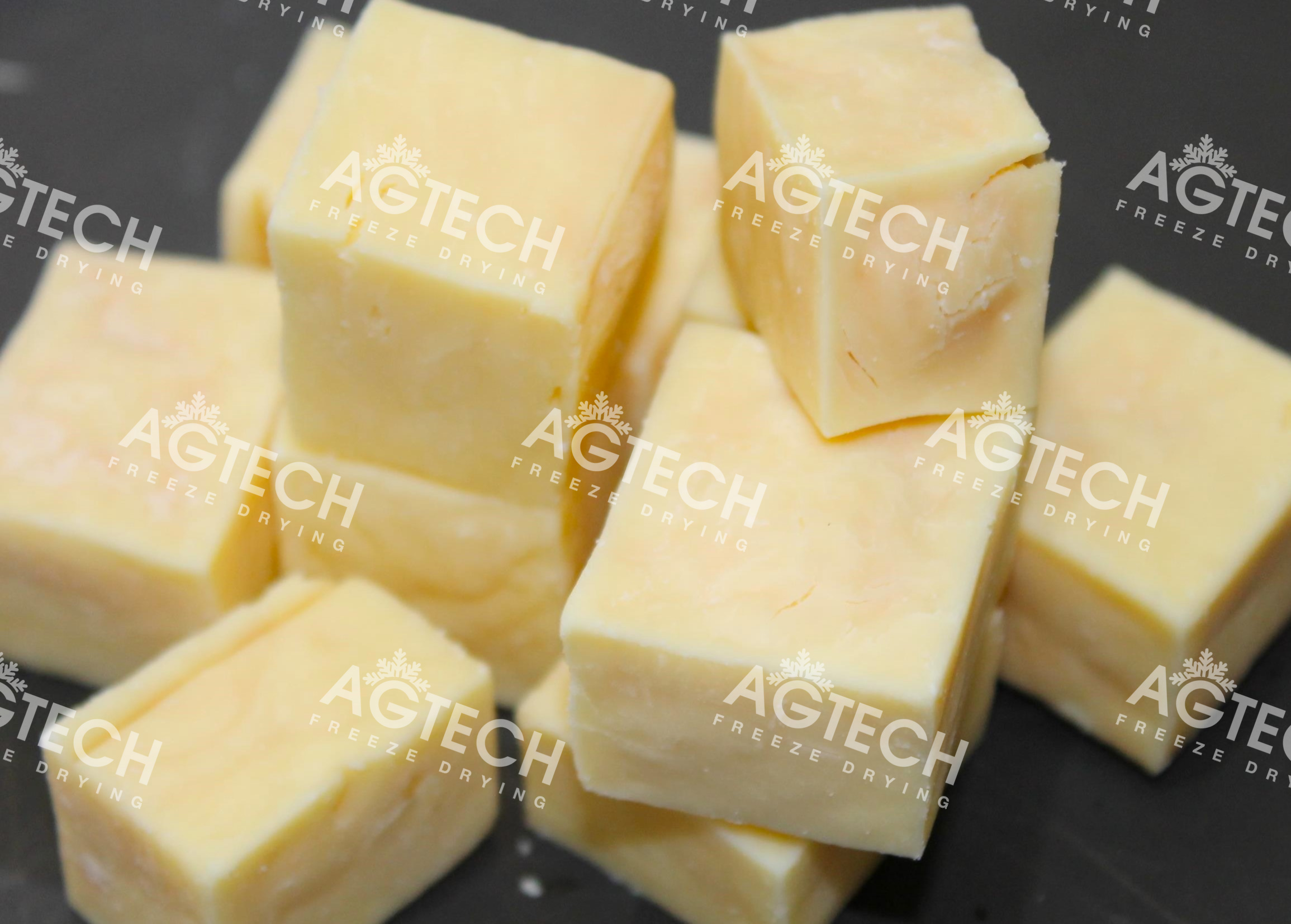
Certain dairy products can also be freeze dried.
Yoghurt and some cheeses, for example, can be processed into dry ingredients for use in food products.
Potential applications include:
- Snack products
- Powdered food products
- Ingredient blends
- Desserts
- Prepared foods
The composition of the dairy product is important, so commercial testing is generally required to determine whether a particular product is suitable.
12. Strawberries
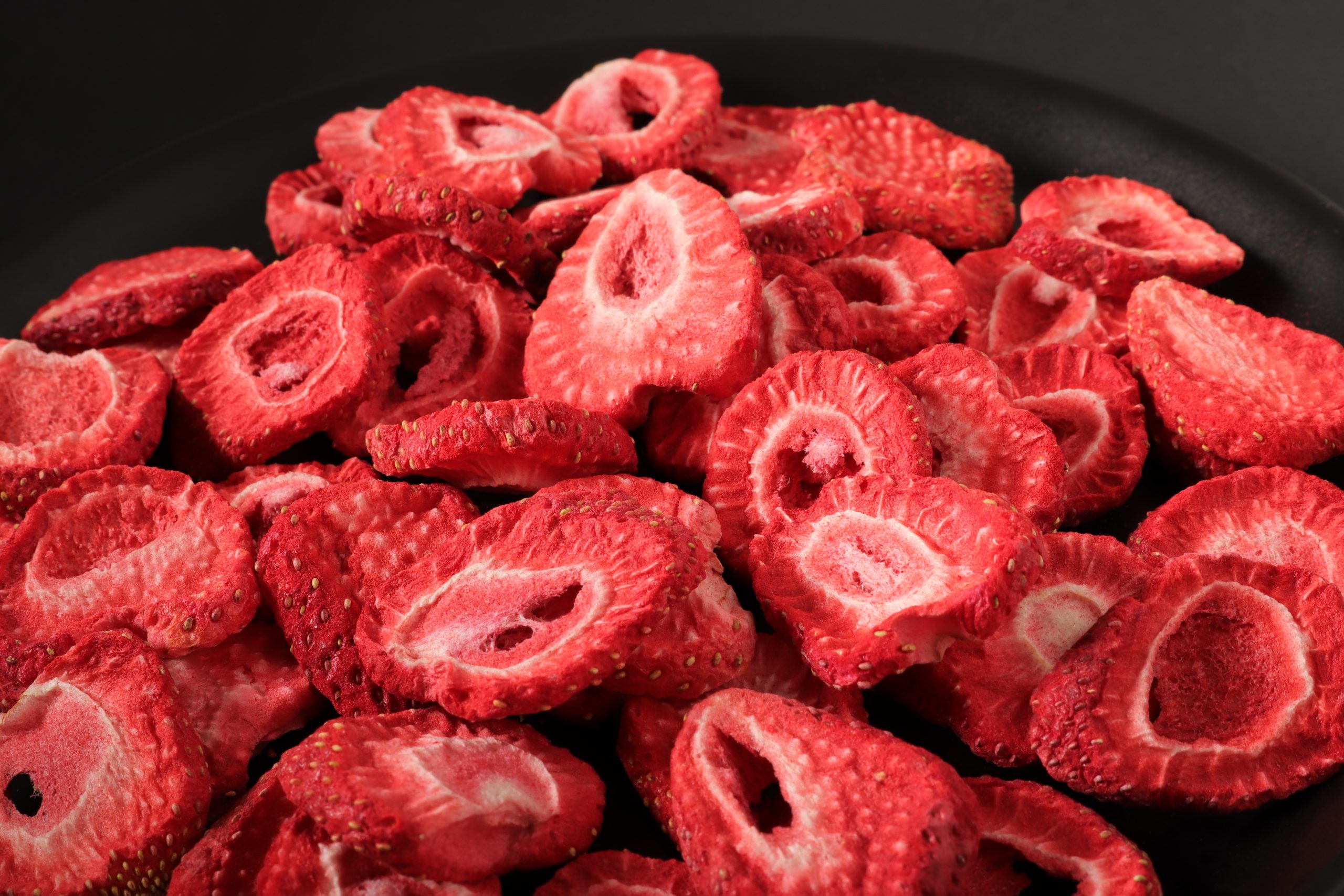
Moving beyond animal-based ingredients, strawberries are one of the most recognisable freeze-dried foods.
They can be freeze dried whole, sliced, crushed or processed into a powder.
Freeze-dried strawberries can be used in:
- Chocolate and confectionery
- Cereals and granola
- Baking
- Desserts
- Snack foods
- Smoothie blends
Strawberry powder can also provide food manufacturers with a convenient dry fruit ingredient.
13. Bananas
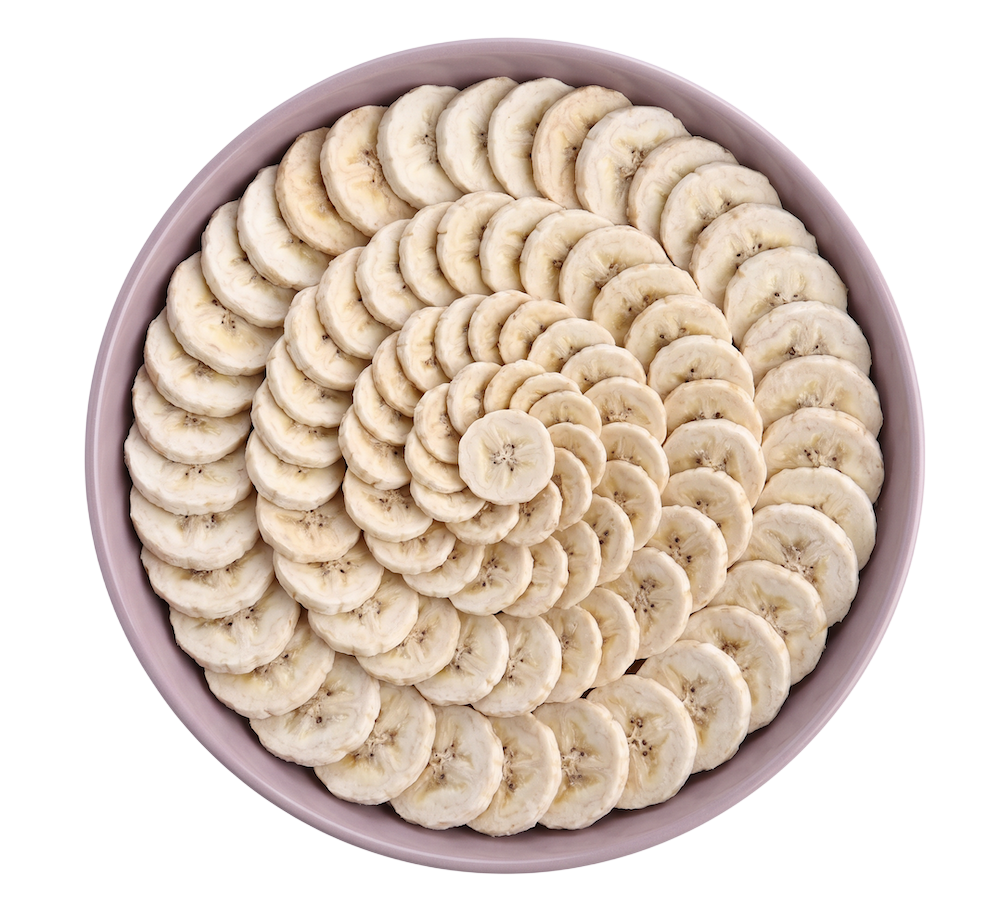
Bananas can be freeze dried as slices, pieces or powder.
The finished ingredient can provide a concentrated banana flavour while having substantially less moisture than fresh fruit.
Potential applications include snack products, cereals, smoothies, baking products, desserts and powdered food blends.
14 Mangoes
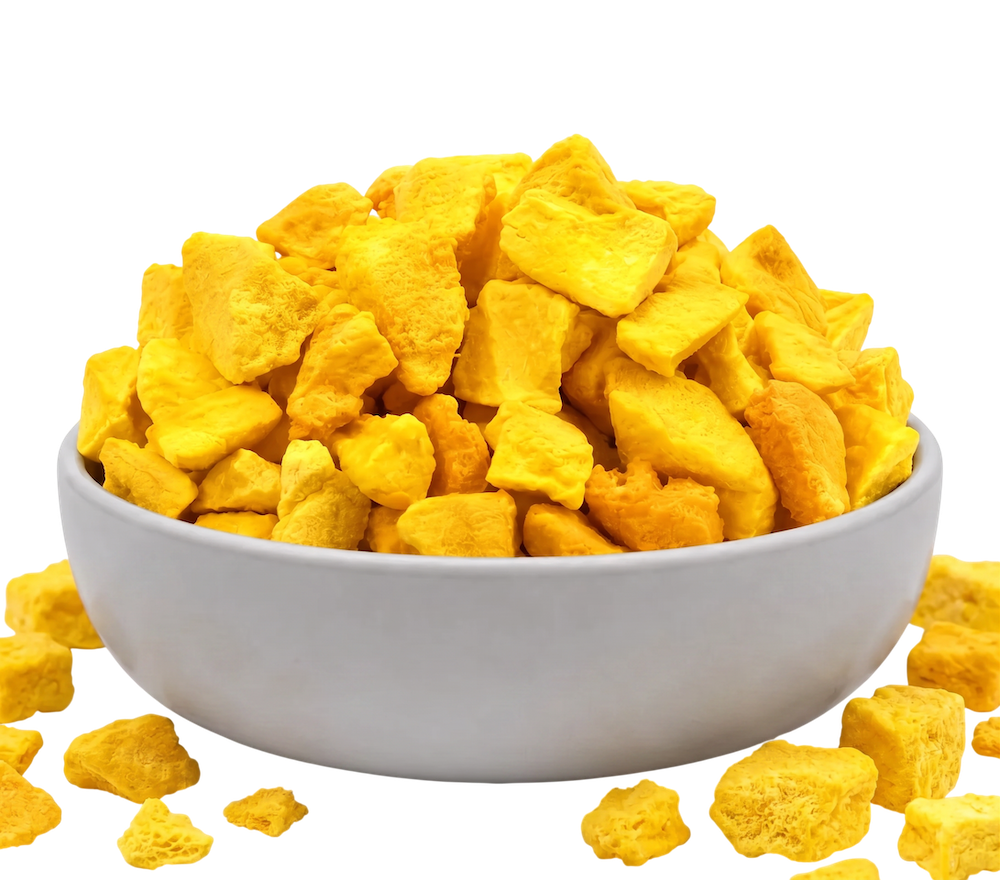
Mango is another fruit with potential applications in freeze-dried products.
It can be processed into pieces or powder for use in snack foods, desserts, beverage products, baking and other formulations.
For food manufacturers, freeze-dried mango can provide a way to incorporate mango into products without introducing the moisture associated with fresh fruit.
15. Raspberries and Blueberries
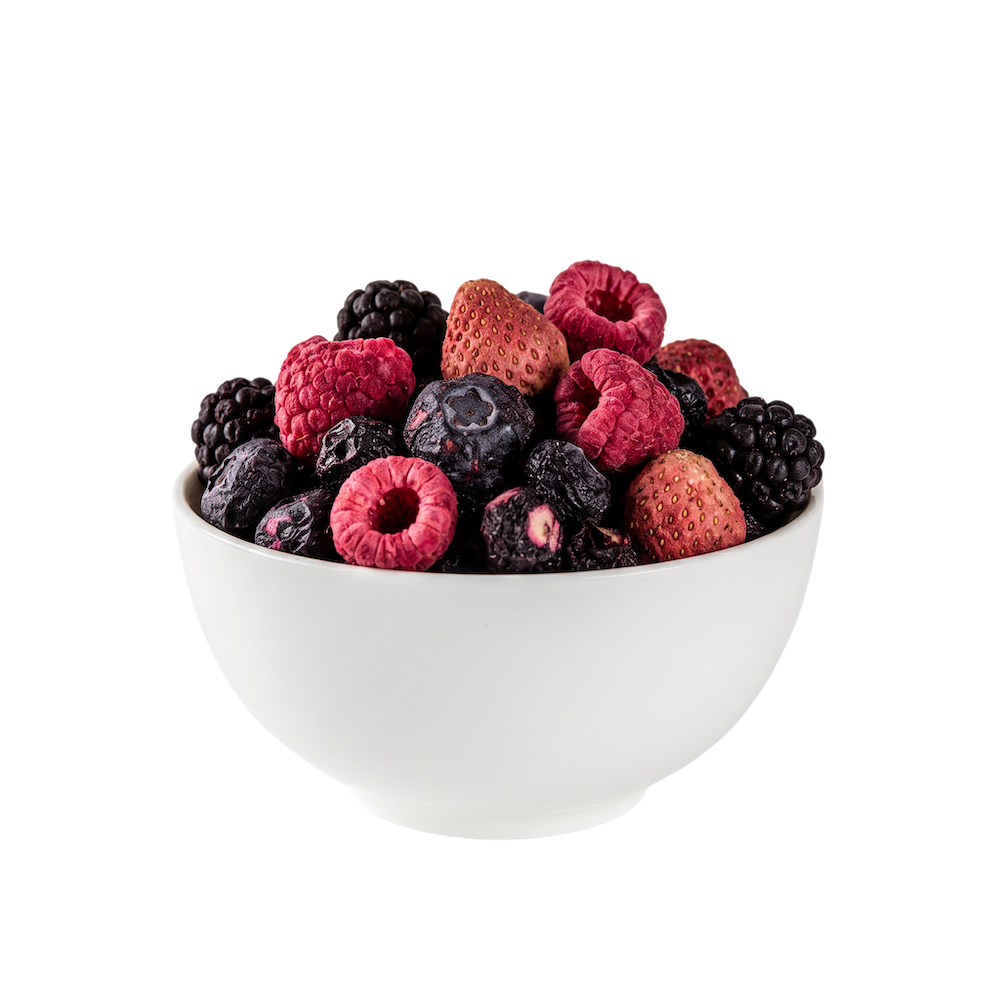
Berries can be particularly useful as freeze-dried ingredients because of their strong flavour, colour and versatility.
Raspberries and blueberries can be freeze dried whole or processed into powders.
Potential applications include:
- Breakfast products
- Snack foods
- Chocolate
- Bakery products
- Desserts
- Beverage powders
- Ingredient blends
Combining different freeze-dried berries can also create opportunities for new ingredient blends and finished products.
16. Tomatoes
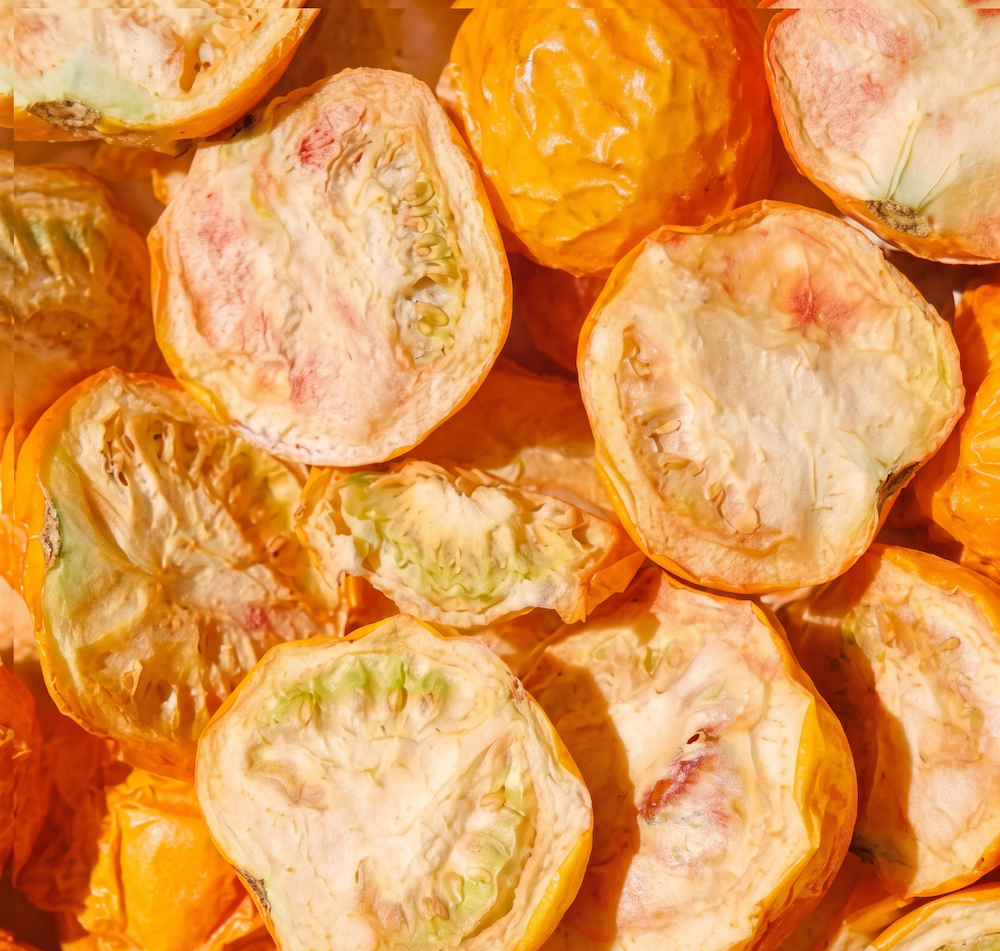
Tomatoes can be freeze dried and processed into pieces or powder.
Tomato powder can be particularly useful for commercial food applications where a dry tomato ingredient is preferred.
Potential uses include:
- Seasoning blends
- Soup products
- Sauce bases
- Snack products
- Prepared meals
- Savoury food formulations
17. Vegetables
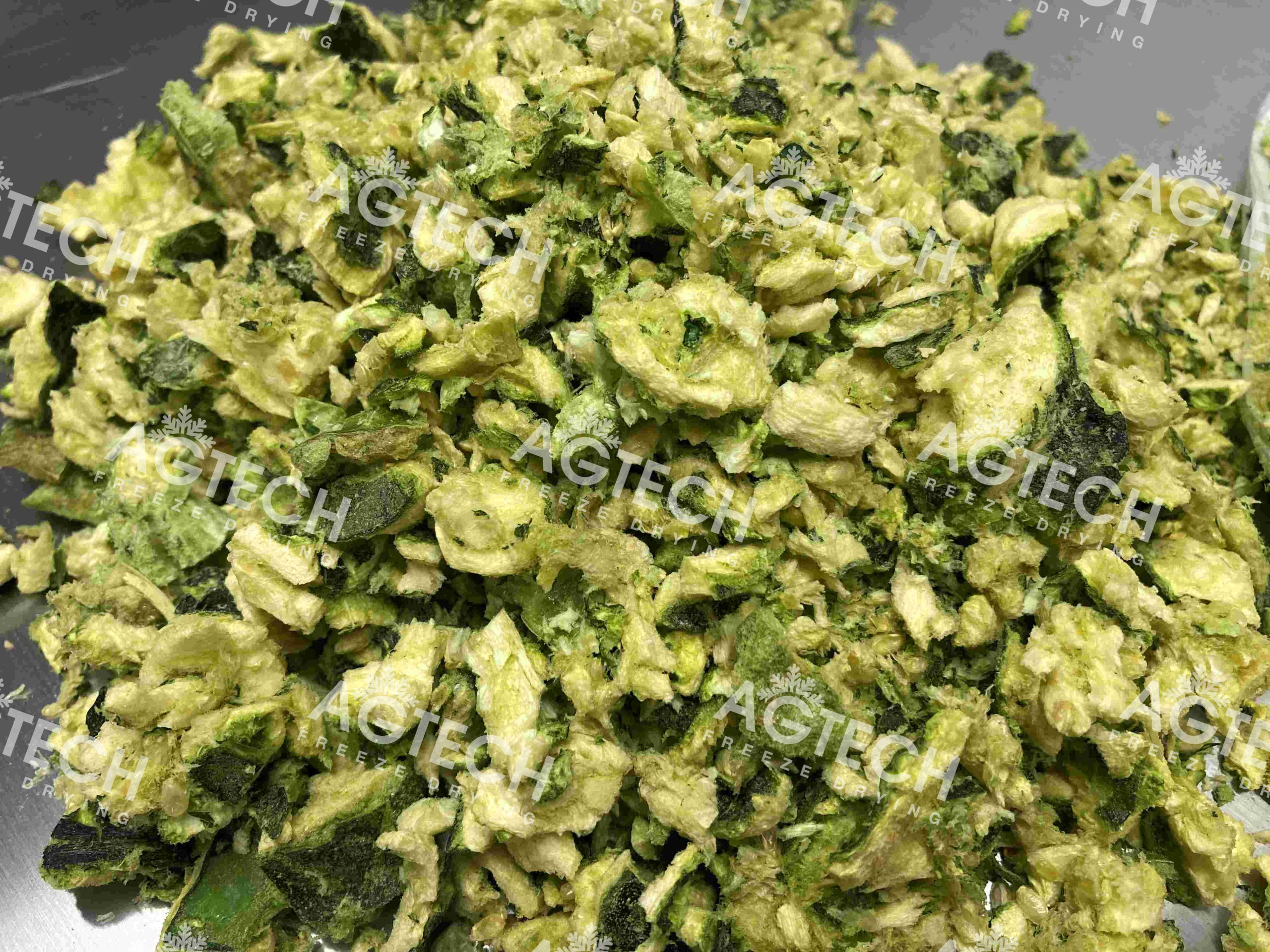
A wide variety of vegetables can potentially be freeze dried. Examples include:
- Carrots
- Peas
- Corn
- Spinach
- Capsicum
- Pumpkin
- Sweet potato
Depending on the vegetable and intended application, these ingredients can be processed into pieces, flakes or powders.
Freeze-dried vegetables can be incorporated into prepared meals, soup mixes, snack products, seasoning blends and other food formulations.
18. Herbs and Spices
Many herbs can also be freeze dried.
Basil, parsley, coriander and mint are examples of herbs that may be considered for freeze-drying applications.
Freeze-dried herbs can be used in:
- Seasoning blends
- Prepared meals
- Sauces
- Soups
- Dry food mixes
- Specialty food products
They can also potentially be processed into powders for use as ingredients.
19. Mushrooms
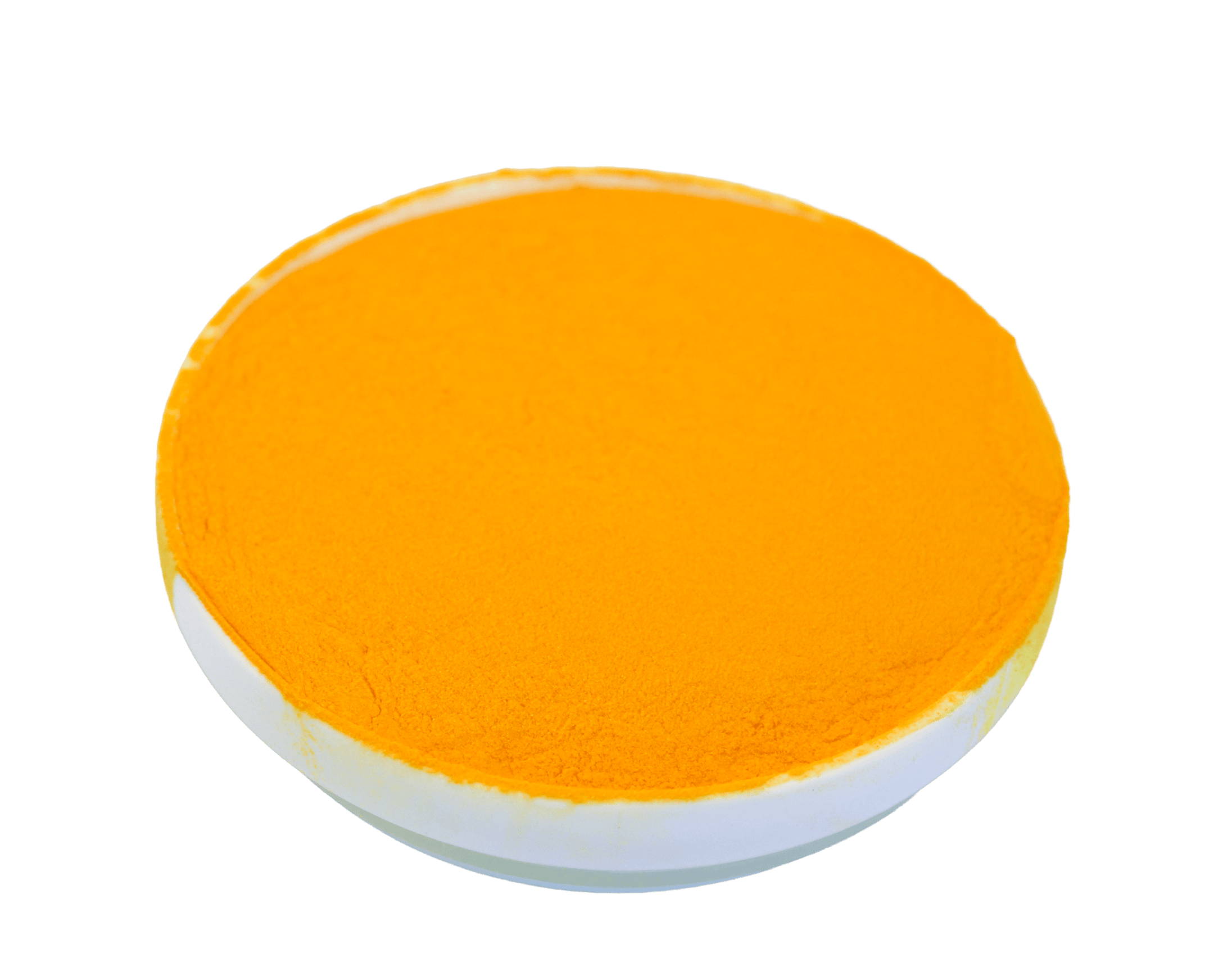
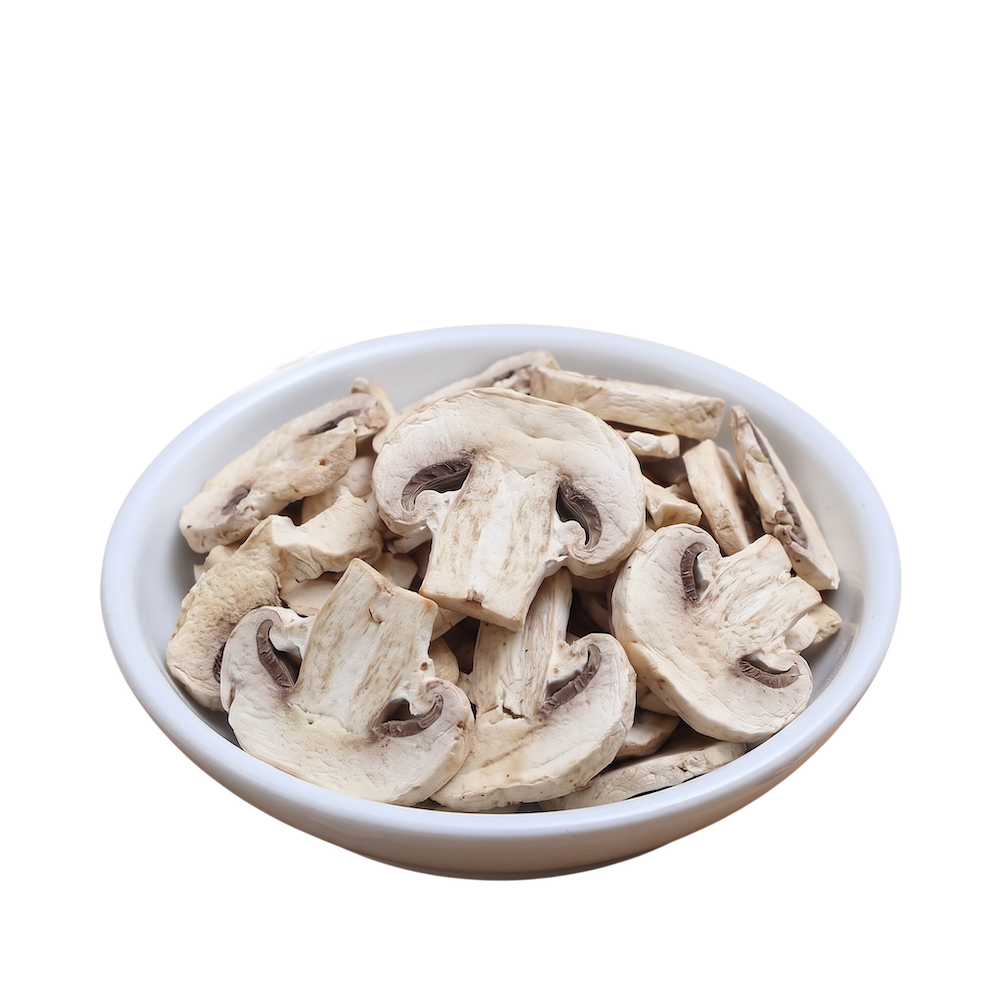
Mushrooms are another food that can be freeze dried. They can potentially be processed whole, sliced, broken into pieces or milled into a powder. Mushroom powder can be particularly useful in savoury formulations such as:
- Soup mixes
- Seasonings
- Sauce bases
- Meal products
- Savoury snacks
Different mushroom varieties can also create opportunities for developing specialised ingredients and finished products.
20. Complete Meals
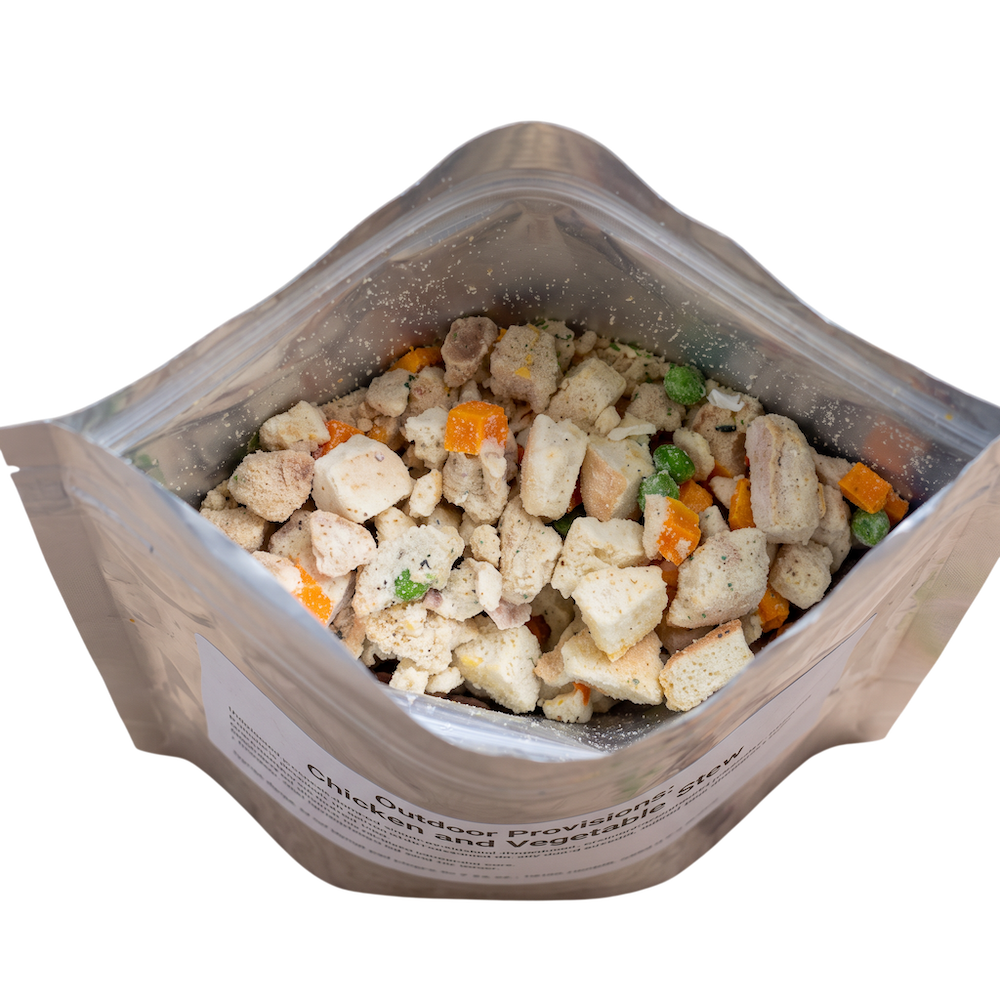
Freeze drying isn’t limited to individual ingredients. Complete meals can also be freeze dried. Examples can include:
- Pasta dishes
- Rice meals
- Curries
- Stews
- Soups
- Meat-based meals
- Vegetable-based meals
This makes freeze drying particularly interesting for businesses developing shelf-stable and lightweight meal products.
Depending on the formulation and processing method, the finished meal may be rehydrated with water before consumption.
What About Turning Freeze-Dried Foods Into Powder?
One of the biggest opportunities for commercial freeze drying is that the finished product doesn’t necessarily need to be sold as pieces or whole ingredients. Freeze-dried foods can potentially be further processed into powders, depending on the ingredient and intended application.
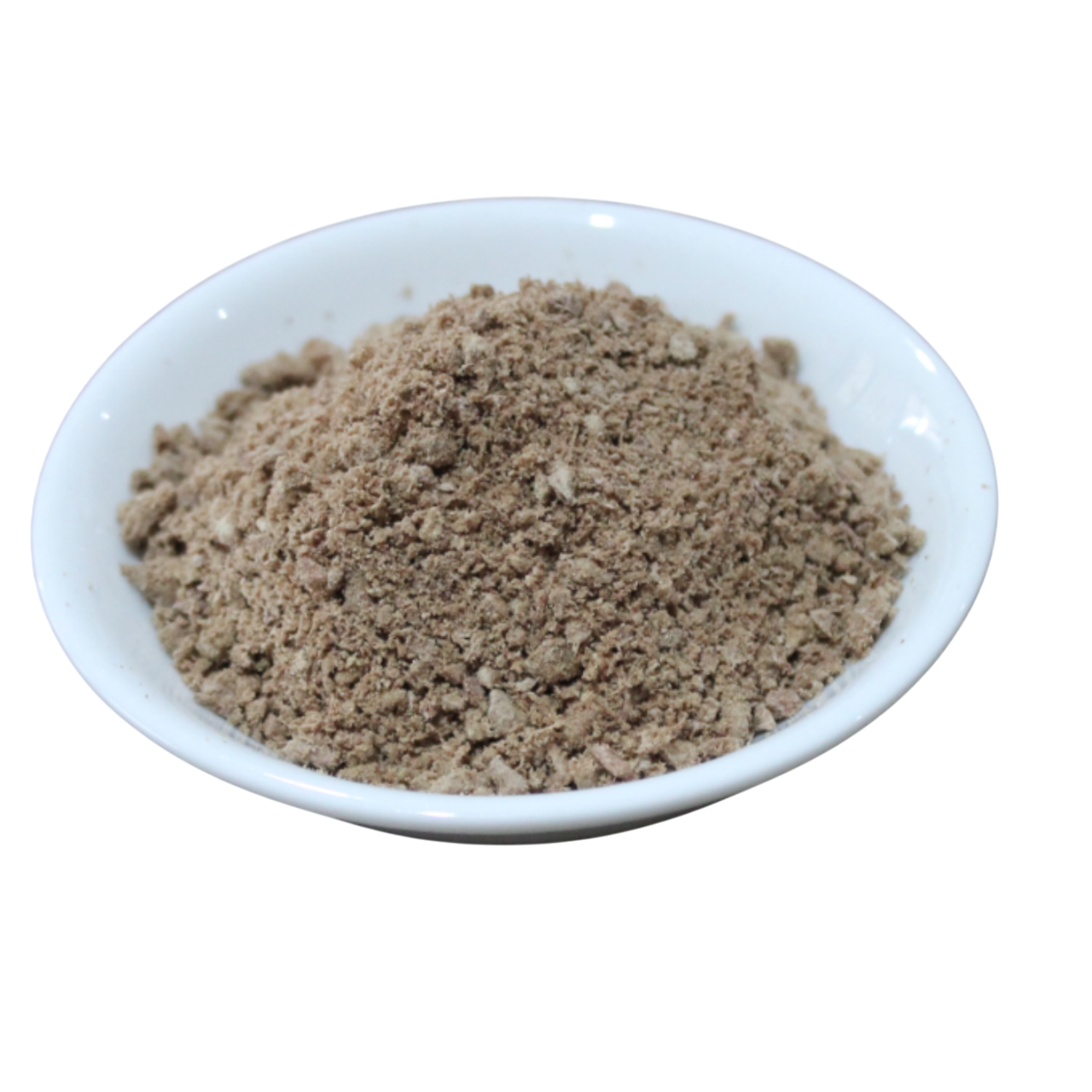
For example:
Beef → freeze drying → powdered beef ingredient
or:
Beef liver → freeze drying → liver powder → finished product
The same concept can apply to fruit, vegetables, mushrooms, herbs and other suitable ingredients. This creates opportunities for businesses to use freeze-dried ingredients in completely different product categories. A freeze-dried ingredient could potentially become part of a:
- Food product
- Beverage powder
- Supplement
- Pet food
- Animal nutrition product
- Seasoning blend
- Prepared meal
- Functional food
Why Would a Business Freeze Dry Food?
For commercial businesses, freeze drying isn’t simply about making food last longer. It can be a way to create a more versatile ingredient and add value to an existing product.
1. Add value to raw ingredients
A grower, producer or ingredient supplier may be able to turn a raw or fresh ingredient into a higher-value processed ingredient.
2. Reduce moisture
Freeze drying removes water from the product, creating a low-moisture ingredient that can be easier to handle and incorporate into certain formulations.
3. Create new product formats
A fresh ingredient might become a freeze-dried piece, flake or powder, opening up different product-development opportunities.
4. Develop new products
Freeze-dried ingredients can become components of completely new food, pet food, supplement or nutritional products.
5. Work with distinctive ingredients
Australian native ingredients, specialty meats and unique agricultural products can potentially be transformed into value-added ingredients for new markets.
6. Create lightweight products
Removing water can substantially reduce the weight of many foods, which can be useful for certain commercial applications
Can Everything Be Freeze Dried?
No.
While freeze drying is a versatile process, not every food or formulation will produce the desired result. Factors such as moisture content, fat content, sugar content, structure and the composition of the food can all influence processing.
The intended final product is also important. A product intended to be sold as a whole freeze-dried ingredient may have very different requirements from one intended to become a powder or be incorporated into another food formulation.
That’s why commercial product testing and process development are important.
From Raw Ingredient to Value-Added Product
For food businesses, one of the most exciting aspects of freeze drying is the potential to move beyond simply selling a raw ingredient. A producer might start with: Fresh meat and develop:
Freeze-dried meat → meat ingredient → powdered ingredient → finished product
Or a business working with an Australian native ingredient might explore:
Native ingredient → freeze drying → dry ingredient → new food or nutritional product
The possibilities will depend on the ingredient, processing requirements and intended market, but freeze drying can form an important part of the product-development process.
Looking for Commercial Freeze Drying?
At Agtech Freeze Drying, we work with businesses looking to process food and ingredients for commercial applications. Our experience includes working with meat, animal-based ingredients and other food products, helping businesses explore opportunities to turn their ingredients into value-added products. Whether you’re a food manufacturer, ingredient supplier, agricultural producer, pet food business or product developer, we can help you explore whether freeze drying could be suitable for your application.
Have a product or ingredient you’d like to freeze dry?
Contact Agtech Freeze Drying to discuss your requirements and explore the possibilities for your product.